

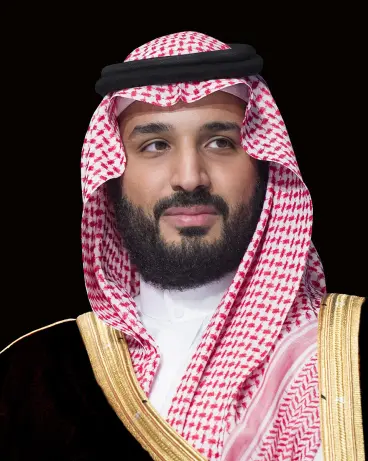
Saudi Arabia's real estate reform program is beginning to deliver measurable results, following a series of government-led initiatives aimed at balancing supply and demand, expanding housing availability, and curbing rising land and rental prices under the directives of Crown Prince and Prime Minister Prince Mohammed bin Salman.
According to data released by the General Authority for Statistics for the first and second quarters of 2026, the Kingdom's Real Estate Price Index increased by 1.3% year-on-year in the second quarter, driven by a 2.6% rise in residential property prices and an 11.3% increase in agricultural real estate, while commercial property prices declined by 3.2%.
The figures reveal diverging trends across property segments. Residential land prices rose by 6.3% annually during the second quarter, apartment prices edged up by 1.1%, while villa prices dropped sharply by 9.7%, reflecting the impact of policies designed to expand serviced land supply and ease housing market pressures.
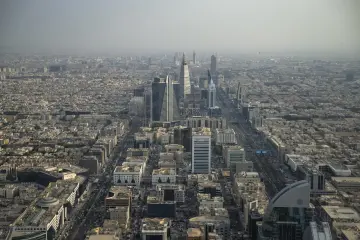
To increase housing availability, Saudi authorities have lifted development restrictions on more than 81 square kilometers of land in Riyadh and announced plans to release between 10,000 and 40,000 residential plots annually over the next five years at prices capped at SAR 1,500 per square meter, alongside anti-speculation regulations.
The Kingdom has also strengthened implementation of its White Land Fees program. Since January 2026, the Ministry of Municipalities and Housing has issued more than 60,000 fee notices in Riyadh, encouraging landowners to develop, sell, or invest in idle land to increase housing supply.
These measures have already brought millions of square meters into development and circulation, including around 71 million square meters in Riyadh, 146 million square meters in the Eastern Province, and nearly 28 million square meters in Makkah Region.
Saudi Arabia has also introduced new rental regulations in Riyadh, freezing annual rent increases for five years, enabling automatic lease renewals, and strengthening regulatory oversight through the Real Estate General Authority to protect both landlords and tenants.
Meanwhile, housing development continues to expand. More than 108,000 off-plan residential units were launched during 2025, while over 300,000 housing units have been delivered across 16 cities. More than one million beneficiaries have also received support through government housing programs.
These combined efforts helped raise Saudi homeownership among citizens to 66.24% by the end of 2025, surpassing the year's target of 65% and moving closer to the Saudi Vision 2030 goal of 70%.
The latest indicators suggest that Saudi Arabia's comprehensive real estate reforms are gradually reshaping the market by increasing housing supply, improving affordability, strengthening regulation, and creating a more balanced and sustainable property sector.


Comments
Log in to write a comment