


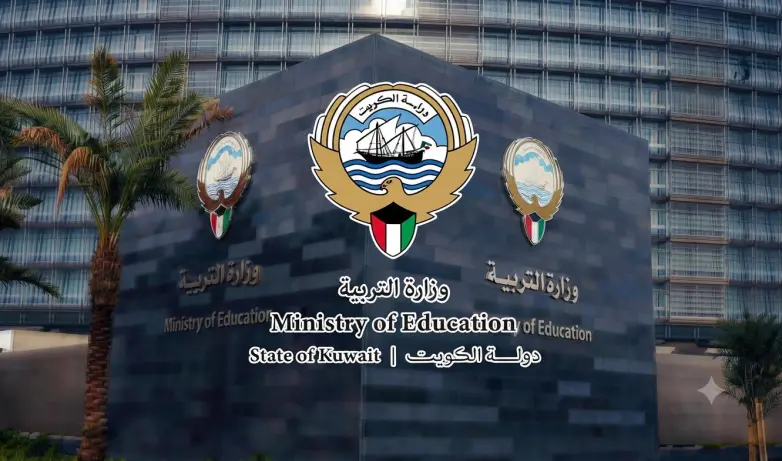
Kuwait is moving toward a major transformation in its education system as the Ministry of Education plans to reintroduce the credit-based system in secondary schools after nearly two decades of suspension, as part of a comprehensive reform project aimed at modernizing learning outcomes and aligning with global educational trends.
This initiative reflects a strategic vision to enhance secondary education as a critical stage before higher education or entry into the labor market, focusing on diversifying academic pathways and expanding student choices to build well-rounded learners equipped with knowledge, skills, and national identity.
The updated system is designed around modern educational principles that emphasize academic flexibility, critical and creative thinking, decision-making, responsibility, and personalized learning paths based on student interests and abilities, while also strengthening engagement with society and adapting to labor market demands.
The rollout is expected to begin in the 2026-2027 academic year, initially targeting Grade 10 students, with a gradual expansion to include all secondary levels, following a structured plan developed by the General Directorate of Guidance, Research, and Curricula.
The reform also places strong emphasis on reinforcing Kuwaiti national identity, promoting values of belonging and pride in the country’s history and constitutional principles, alongside preserving Islamic and humanitarian values.
The system operates on a credit-hour structure combined with a cumulative GPA model, allowing continuous tracking of academic progress, supported by academic advising to help students select courses and plan their educational paths according to their goals and capabilities.
Assessment methods are diversified beyond traditional exams to include projects, research, practical applications, presentations, and classroom discussions, with a focus on linking theoretical knowledge to real-life skills and fostering competencies such as teamwork, communication, and digital literacy.
One of the core objectives is to reduce academic failure and dropout rates by providing flexible study plans tailored to individual needs, thereby increasing student motivation and engagement.
The framework is built on six main pillars including academic flexibility, credit-hour system, academic advising, continuous assessment, curriculum integration, and embedding national identity across subjects.
Students will choose between two main tracks, Future Sciences focusing on technology and innovation, and Global Humanities focusing on social sciences, law, media, and economics, enabling early identification of career interests.
The academic structure includes 11 subjects in the first semester of the first year, consisting of core, specialized, and elective courses, offering a balanced and flexible curriculum.
Evaluation focuses on comprehension, application, analysis, and practical performance, with clear passing criteria requiring a minimum score of 50 percent, while failed subjects can be retaken individually without repeating the entire academic year.
Students receive academic warnings if their GPA drops to 1, with repeated warnings leading to dismissal after five instances, alongside intervention from academic advisors and parents to address performance issues.
Graduation requires a minimum cumulative GPA of 1, with an option to take an additional semester to improve grades, while strict anti-cheating regulations remain in place to ensure academic integrity.
The Ministry emphasizes that the success of the system depends on effective collaboration between schools, families, educators, and students, aiming to deliver a modern secondary education system that meets Kuwait’s future aspirations and strengthens human capital development.





Comments
Log in to write a comment