


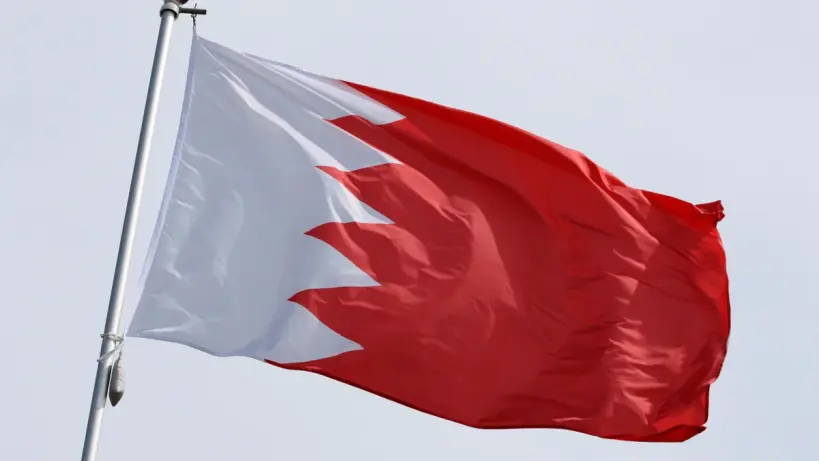
Bahrain has officially confirmed that its National Health Insurance Programme for expatriate residents will begin on Saturday, October 31, 2026, marking a significant development in the Kingdom’s healthcare system.
The announcement was made on Saturday, October 17, by Lieutenant General Dr Sheikh Mohammed bin Abdullah Al Khalifa, Chairman of the Supreme Council of Health, who confirmed that the necessary organizational and technical preparations have been completed.
The programme is intended to establish a clearer insurance-based framework for providing healthcare to eligible expatriate residents while improving efficiency and cooperation between public and private healthcare providers.
According to the official announcement, the mandatory insurance package will cover primary and secondary healthcare services, as well as treatment for emergencies and accidents, subject to approved benefits and regulations.
Additional insurance options will also be available according to the needs of beneficiaries and employers, allowing eligible individuals to obtain coverage beyond the standard mandatory package.
The Supreme Council of Health clarified that the programme applies to expatriate residents within the approved categories and classifications.
However, the announced phase does not include domestic workers or expatriate employees working for government entities and their dependants.
This distinction is particularly important for residents and employers seeking to understand which categories will be affected when the new insurance arrangements take effect.
The authorities also confirmed that health insurance coverage will be linked to procedures for issuing and renewing work permits and residence permits.
This arrangement is designed to support continuous healthcare coverage for eligible beneficiaries and provide greater clarity regarding the responsibilities of employers and other relevant parties.
The Supreme Council of Health emphasized that the programme will not change the healthcare services currently available to Bahraini citizens.
Citizens will continue to receive comprehensive coverage for existing healthcare services, while the government works to further improve the quality and efficiency of those services.
Separately, Bahrain’s Daily Tribune reported comments by Dr Noor Dhaif, Director of Operations at Government Hospitals, concerning the expected movement of expatriate healthcare services toward private providers under the new insurance arrangements.
The newspaper also reported expectations that maternity cases at Salmaniya Medical Complex could decline by approximately 30 to 40 percent as patient pathways change.
However, the official announcement issued on October 17 did not establish a blanket prohibition preventing every expatriate resident from receiving treatment at government hospitals in all circumstances.
The distinction matters because healthcare eligibility, referrals, emergency treatment, and insurance benefits may depend on the applicable regulations and individual circumstances.
While some reports referred to November 1 in connection with changes to healthcare provision, the officially confirmed commencement date for the National Health Insurance Programme is October 31, 2026.
The announcement did not specify a single insurance premium applicable to all residents or provide the complete details of every insurance package.
Residents and employers should therefore rely on further official guidance to determine the coverage, costs, obligations, and exemptions relevant to their circumstances.
The initiative forms part of Bahrain’s broader strategy to strengthen healthcare sustainability, improve service delivery, and establish a more integrated healthcare system serving citizens and eligible expatriate residents.
Source: Bahrain Supreme Council of Health



Thank you for being part of our community. Read our Comment Policy before posting.
Comments
Loading the conversation…