


Republican officials are reassessing their midterm strategy with three weeks remaining before November’s election, as polling and an expanding list of competitive races raise fears that the party could lose the House and jeopardize its Senate majority.
The deteriorating environment has forced GOP groups to direct more money and attention toward districts and states that had been viewed as reliably Republican. That has narrowed the party’s ability to pursue opportunities in Democratic-held areas, despite what the article describes as a substantial financial advantage, including support from the pro-Trump super PAC MAGA Inc.
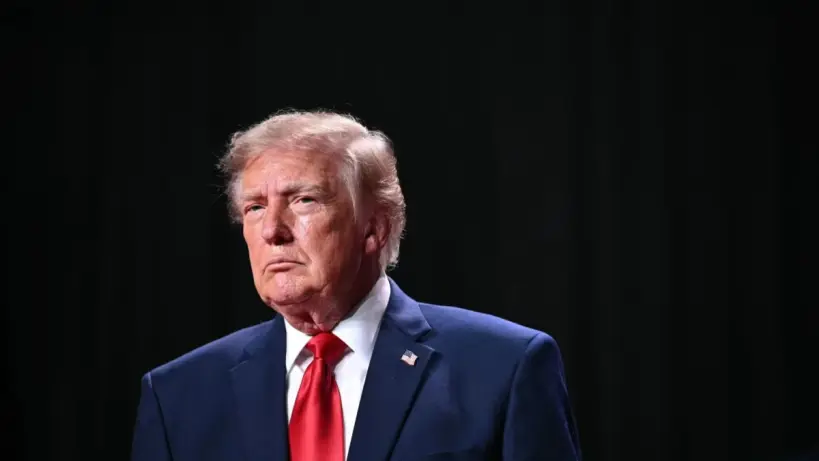
Several Republicans are also questioning whether President Donald Trump’s campaign appearances will help every candidate. One House Republican seeking re-election said of the president’s standing: “Trump is dragging the party down.”
Republicans’ concerns follow weeks of polling that has pointed toward Democratic gains in the House amid voter anger over the Iran war and the rising cost of living. The Senate map has become more difficult for the GOP as well, with Democrats leading in polling in swing states including Georgia and North Carolina while mounting competitive campaigns in Alaska and Kansas.
Senate groups redirect spending
The Senate Leadership Fund, the leading Republican super PAC in Senate contests, has suspended its advertising reservations in North Carolina and committed at least $10 million to Kansas. The state has not elected a Democrat to the Senate since 1932.
The group has also recently spent $5 million in South Carolina to support incumbent Sen. Darline Graham, where some Republicans are concerned that Democrat Annie Andrews is gaining ground. In Texas, the Senate Leadership Fund has spent more than $100 million to aid Ken Paxton, who is trying to consolidate Republican support after a bruising primary campaign against Democrat James Talarico.
Trump has traveled to Texas three times in one month to campaign for Paxton. CNN reported on Trump’s Texas campaign visits.
“We were all hoping the war was going to be over now, but it’s not,” one Trump adviser said. “We shouldn’t have a fight in a place like Texas, but obviously we do.”
Paxton has also faced a series of damaging audio leaks from a private fundraiser, according to CNN, frustrating Republican officials who believe his campaign has been poorly run. Read CNN’s report on the Paxton fundraiser audio.
On the House side, Republican leaders are expected to reduce spending on candidates whose prospects have weakened and focus more heavily on contests they still regard as winnable, multiple people familiar with the plans told CNN. The approach is intended to protect vulnerable incumbents, seek possible pickups in Democratic districts and limit Democratic gains.
The Cook Political Report added to the pressure on Friday by moving 18 House races in Democrats’ direction. Its changes included five toss-up contests in Iowa, Pennsylvania and Washington in which it now sees Democratic candidates as more likely to prevail.
Jason Roe, a Michigan Republican strategist advising Rep. Tom Barrett, described the national climate as exceptionally difficult. Barrett is in a close race with Democratic challenger Will Lawrence. “I don’t know that the environment could possibly get worse than it is,” Roe said. “If we lose this, it couldn’t have been won.”
Republicans argue losses can be limited
People familiar with the matter said Trump and senior White House advisers recognize the difficult task of preserving the House and the growing threat to the Senate majority. But they remain hopeful that late advertising and the increased engagement of less frequent Republican voters could tighten key races before Election Day.
“I’m not saying we are going to f***ing win, it is going to be so great. No, I am not saying that. But do we get wiped out? No, we aren’t gonna get wiped out,” another House Republican running for re-election said.
Republicans familiar with the party’s thinking contend that some strong GOP candidates could run ahead of generic-ballot polling, which shows Democrats with a healthy advantage. They also expect some far-left Democratic candidates to underperform and note that a small shift in a limited number of races could determine whether Republicans lose or retain the House.
Another Republican told CNN that the election would hinge on voters’ views of whether Republicans had addressed their problems quickly enough and on candidates’ ability to explain how they would make life better for struggling voters. The Republican added that the party’s message would also portray its opponents as “crazy.”
House Speaker Mike Johnson has said he will do all he can to defend the majority and is campaigning in more than 40 districts across 20 states before the election. “Speaker Johnson is not slowing down and helping to get resources to every district that will decide the majority,” his political communications director, Greg Steele, said in a statement to CNN.
National Republican Congressional Committee spokesman Mike Marinella said the party had a better map, stronger field operation, major fundraising and spending advantages, and experienced incumbents. He said Democrats were burdened by “unelectable socialist nominees.”
A senior Republican National Committee official said pollsters and strategists were writing off the party too soon. “The first ones to rush and get on the phone with you all in these times are not the ones in the fight,” the official told CNN. “They would rather just say nobody knows what they are doing and everything is doomed than take an objective look at what is happening.”
Trump targets friendly territory
Trump has recently shown greater interest in campaigning, though he has generally avoided swing districts. His advisers have directed him toward areas where they believe he can increase Republican turnout, rejecting arguments that his lower approval ratings should keep him off the trail.
One White House official said the midterms would be a referendum on Trump’s presidency regardless of where he campaigns. “The panic is unwarranted and it’s unfounded,” the official said. “It’s all going to come down to who has the ability to turn out their low-propensity voters. … That’s why we’re going where we’re going: To jazz up the base.”
White House spokesman Davis Ingle called Trump “the unequivocal leader, best messenger, and unmatched motivator for the Republican Party.” The president’s recent rallies included a Texas stop on Thursday and a Friday visit to upstate New York for Republican gubernatorial candidate Bruce Blakeman, according to the White House official and others familiar with Trump’s comments.
At the same time, Trump has acknowledged indirectly that his involvement may not benefit candidates in every race, as majorities are frustrated by his economic policies and oppose the Iran war. The White House official said Trump has not rebuked Republican candidates who have differed with him on the war or tariffs because they “need to run a campaign,” although those candidates have generally cleared their positions with the White House first.
Trump has not been expected to travel to Maine before the midterms, according to people familiar with the matter, as Sen. Susan Collins seeks to establish a distinct campaign identity. They cautioned, however, that his schedule remains subject to change.
Trump advisers have urged Republican candidates, after nearly two years of calls for party unity, to make individual cases for another term and outline how they would respond to voters’ concerns. “We’re fighting it out individually now,” the Trump adviser said. “It’s ugly out there for both sides, and it’s going to be hand-to-hand combat.”
Source: Egypt Independent, citing CNN reporting


Thank you for being part of our community. Read our Comment Policy before posting.
Comments
Loading the conversation…