


Bahrain’s Shura Council is preparing to discuss a proposed legislative amendment targeting harmful uses of artificial intelligence to create or manipulate images, videos and audio recordings, with suggested penalties including imprisonment and fines of up to BD10,000
Bahrain Considers Prison Terms and Fines Up to BD10,000 for Harmful AI Deepfakes as Shura Council Reviews Proposal
Bahrain
Font
Article text size
English fonts
Bahrain
The proposal is scheduled for consideration during the council’s session on Sunday, November 8, 2026, amid differing opinions over whether the country needs a separate criminal provision addressing what is commonly known as deepfake technology.
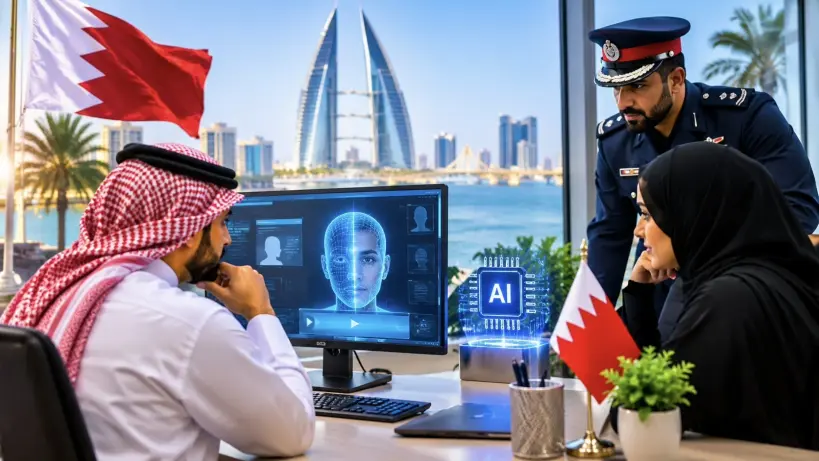
Deepfakes involve the creation or alteration of digital media using advanced technological techniques, potentially making individuals appear to have said or done things that did not actually occur.
The proposed legislation would introduce a new Article 10 bis into Bahrain’s Information Technology Crimes Law No. 60 of 2014, specifically addressing certain forms of producing or falsifying audio and visual materials for harmful or unlawful purposes.
Under the proposed wording, offenders could face imprisonment and a fine ranging from BD3,000 to BD10,000, or either penalty, where the conduct satisfies the conditions outlined in the amendment.
The proposed offence would cover producing or falsifying visual or audio material intended for circulation, distribution, transmission or publication when the content could damage someone’s reputation, harm personal dignity, expose an individual to contempt or serve an unlawful purpose.
The initiative was submitted by five Shura Council members, including Ali Al Shehabi, Jamal Fakhro, Dr Mohammed Ali Hassan, Khalid Al Maskati and Dalal Al Zayed.
However, the council’s Foreign Affairs, Defence and National Security Committee has recommended rejecting the proposal, arguing that Bahrain’s existing criminal legislation already provides protection against many of the harmful acts addressed by the proposed amendment.
The committee also expressed concern about the absence of a precise legal definition of deepfakes, warning that unclear wording could create difficulties when courts attempt to determine which actions should qualify as criminal offences.
Bahrain’s Ministry of Interior stated in its submissions to the committee that it supports protecting individuals from harmful uses of emerging technologies but does not currently consider a separate deepfake offence necessary.
According to the ministry, existing provisions already address activities such as fraud, blackmail, defamation, reputational damage and privacy violations, including circumstances where electronic systems or digital technologies are used to commit the offences.
The ministry also highlighted practical difficulties associated with detecting sophisticated synthetic media and establishing the origin of manipulated recordings, particularly as artificial intelligence technology continues to develop rapidly.
The Ministry of Justice, Islamic Affairs and Endowments similarly indicated that existing provisions of Bahrain’s Penal Code address many of the harms covered by the proposed amendment.
It referred to legislative changes introduced in 2025 concerning certain violations of personal privacy involving falsified conversations, images and recordings.
The parliamentary committee argued that criminal liability should primarily depend on the conduct committed and the resulting harm, rather than solely on the technological method used.
Importantly, the proposed imprisonment provisions and fines of between BD3,000 and BD10,000 have not been introduced as new enforceable penalties under this particular amendment as of November 6, 2026.
The fact that the proposal remains under consideration does not mean that harmful deepfake activities are automatically lawful, as existing criminal statutes may already apply depending on the circumstances of each case.
The Shura Council’s forthcoming discussion will determine the next parliamentary step for the proposal, while authorities continue examining how existing legal protections can address the risks associated with artificial intelligence and manipulated digital content.
Source: Al Ayam Newspaper – Akhbar Al Khaleej – Al Bilad Newspaper – Shura Council Foreign Affairs, Defence and National Security Committee Report.
What do you think of this story?
Share your reaction, or help us correct a detail.






Thank you for being part of our community. Read our Comment Policy before posting.
Comments
Loading the conversation…