


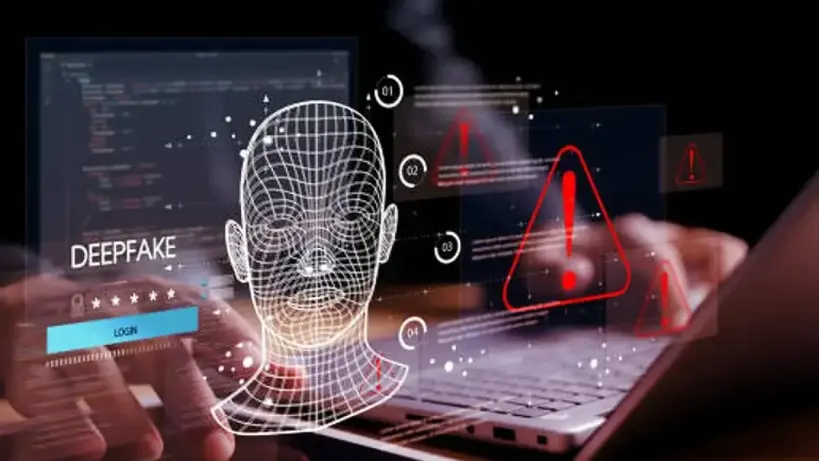
Dubai Police has warned that increasingly convincing artificial intelligence-generated images, videos and voices could make it harder not only to identify false material, but also to demonstrate that authentic digital content has not been altered.
A study by the Dubai Police Future Foresight Centre says deepfakes pose risks to digital security, public confidence in online information and the use of electronic material in investigations. The concern is that as fabricated media becomes more realistic, genuine photographs, video footage and audio recordings could also be treated with suspicion.
Risks of impersonation and fraud
Brigadier Dr Hamdan Ahmad Hamdan Al Ghassiya, director of the Future Foresight Centre at Dubai Police, said advances in generative AI have made it easier to imitate faces and voices and create persuasive audiovisual material.
Such capabilities can be used for identity theft, impersonation, fraud and the intentional circulation of misleading information, creating potential risks for individuals, companies and security authorities, the study said.
The implications may be especially important where decisions or investigations depend on digital evidence. The study said increasingly sophisticated manipulation could make it more difficult to establish whether a recording is genuine.
Authenticity must be established
According to the study, the challenge is not limited to detecting fake material. Authorities may also need to verify the origins and integrity of legitimate files, allowing institutions and individuals to judge whether digital content can be relied upon.
It warns that wider awareness of deepfake technology may weaken confidence in authentic media, as real images, recordings and videos could be dismissed or questioned because they appear capable of being fabricated.
The concerns coincide with a broader international focus on false information. The World Economic Forum's Global Risks Report 2026 ranked misinformation and disinformation as the second most significant global risk over the coming two years. The increasing availability of AI tools could make manipulation both more credible and easier to conduct, placing added demands on organisations tasked with checking information and safeguarding the public.
AI tools and public awareness
The Dubai Police study identifies AI as a potential part of the response as well as a contributor to the threat. AI-based tools could analyse photographs, video and voices for indications of manipulation, while more advanced digital forensic methods may assist investigators in authenticating evidence and responding to sophisticated fraud.
It adds that technical measures alone will not be sufficient. Public awareness, stronger digital verification abilities and organisational procedures for responding to new threats are also needed.
The study calls on security authorities to follow technological developments, look for early warning signs and assess possible risks before new forms of digital deception become widespread. It advocates a combined approach involving technology, public education and institutional readiness to help retain trust in digital information.
The research is part of the Ministry of Interior's “Safe UAE Through Your Digital Awareness” campaign, which was launched in cooperation with Dubai Police and the Dubai Electronic Security Centre. It coincides with Cybersecurity Awareness Month, which is observed each October.
Al Ghassiya said the wider objective is not only to find fabricated content, but also to protect confidence in genuine information as AI reshapes the creation, sharing and consumption of digital media.






Comments
Log in to write a comment