


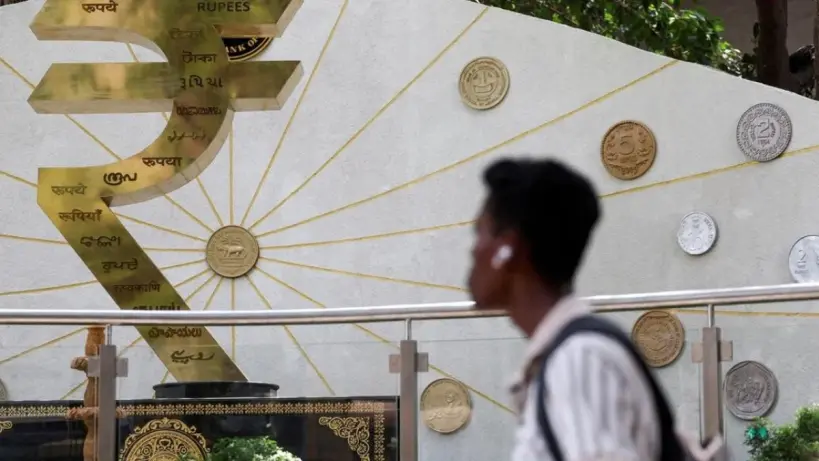
MUMBAI — India’s central bank has introduced new measures aimed at supporting the rupee, including a facility that will supply dollars directly to three state-owned oil marketing companies and tighter requirements for some foreign-exchange hedging transactions. The moves were announced on Oct 10 as the currency remained close to record-low levels.
The Reserve Bank of India’s actions follow a decline of more than 7% in the rupee during 2026. The currency has faced persistent pressure from rising oil prices and global bond yields.
Beginning Oct 12, Indian Oil, Hindustan Petroleum and Bharat Petroleum will be able to obtain dollars through a special RBI window for their daily requirements. By meeting those needs from its foreign-exchange reserves, the central bank will move a major source of dollar buying away from the spot market.
Such a facility has been used during periods of stress in the currency market. Dhiraj Nim, a foreign-exchange strategist at ANZ Bank in Mumbai, said the arrangement could reduce market volatility, although it would also draw down reserves.
“Addressing oil companies’ dollar requirements removes one of the largest sources of demand from the FX market, which should help reduce volatility but it will show up in a depletion of reserves,” Nim said.
Following the announcement, the rupee gained about 0.6% against the US dollar in the non-deliverable forward market. Trading was thin.
Tighter rules for hedging transactions
The RBI also moved to curb demand for protection against further rupee depreciation. In recent months, importers’ demand for dollars has substantially exceeded the supply from exporters, while demand for hedging has added to pressure on the currency.
Under the revised rules, foreign-exchange dealers must maintain a 20% foreign-exchange risk reserve for derivative contracts used to buy foreign currency against the rupee to hedge current-account transactions. The requirement applies where the notional value of the transaction is more than US$2 million (S$2.6 million).
Two bankers, who spoke on condition of anonymity, said the reserve requirement would make protection against additional rupee weakness more costly and could discourage excessive hedging activity.
A person familiar with the central bank’s thinking said the RBI was seeking to limit potentially destabilising demand for derivatives, strengthen checks that transactions are backed by underlying exposure, and prevent rules being bypassed through multiple deals or repeated rebooking. The person was not authorised to speak to the media.
The RBI has also reduced to US$5 million, from US$100 million, the maximum derivative exposure users can take without demonstrating an underlying exposure. The lower limit applies across derivative products, including exchange-traded futures.
Chinese authorities have previously used comparable measures to discourage one-way bets against the yuan.
The latest steps follow one-off policy measures that raised more than US$140 billion in capital inflows, including efforts to encourage overseas foreign-exchange deposits and offshore borrowing by state-owned companies and banks.
Despite those inflows, continued central-bank intervention and a rate increase earlier this week, the rupee has remained under pressure. Nim said the RBI’s latest measures could moderate that pressure but were unlikely to remove it entirely.
“The underlying drivers, including oil prices and capital flows, remain, and the real test will be how reserves and the rupee behave in the coming week,” Nim added.






Comments
Log in to write a comment