


China said on Oct 10 that it and the European Union have the willingness and ability to prevent trade disputes from escalating, following talks in Beijing between Chinese Commerce Minister Wang Wentao and EU trade commissioner Maros Sefcovic.
China’s commerce ministry described the discussions, held earlier in October, as successful and said they represented “a new starting point” for the two sides. The ministry said the results showed that Beijing and Brussels could address their differences through dialogue and consultation rather than allowing frictions to intensify.
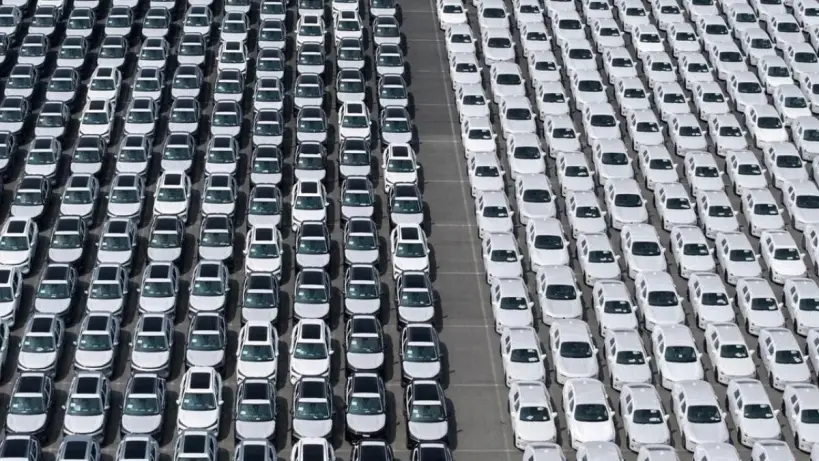
The talks took place as concern persists over the prospect of a damaging trade conflict between China and the 27-member EU. Vehicle exports have become a particularly sensitive issue in China’s growing trade surplus with the bloc, which is estimated at about €1 billion (S$1.43 billion) a day.
On Oct 9, after two days of negotiations, Sefcovic said China had agreed to moderate its hybrid vehicle exports to the EU. He told reporters that, based on projections covering four years, the arrangement could reduce China’s hybrid vehicle exports by more than half.
A joint statement issued on Oct 9 said the discussions had been intensive and that the two sides had reached an understanding on hybrid vehicle trade that complies with World Trade Organisation rules.
China’s commerce ministry said the negotiations also included detailed discussions on electric vehicles and hybrid vehicles. It said the talks were aimed at preventing the situation from worsening while safeguarding the practical export interests of Chinese companies.
European concerns have grown as local carmakers face increased competition from Chinese producers. Many in Europe accuse China of unfair trade practices, including large subsidies for companies, price dumping and currency manipulation.
The issue has been compounded by a prolonged weakness in domestic demand in China, which has pushed manufacturers to look for markets overseas, according to the report.
China also committed during the talks to maintaining supplies to the EU of essential goods, including rare earth minerals. The subject has drawn close attention since Beijing introduced export licence requirements in 2025.
The commerce ministry said China and the EU would continue working on important economic and trade matters of mutual concern. Their next meeting is scheduled for March.

Comments
Log in to write a comment