


The Head of Cybersecurity for the UAE Government, Dr. Mohammed Al Kuwaiti, has issued a serious warning about the rising digital threats linked to smart home devices, stressing that increased reliance on connected technology is creating new vulnerabilities that can severely compromise personal privacy.
Serious warning in the UAE: Smart home devices are turning into tools for espionage and digital extortion
Font
Article text size
English fonts
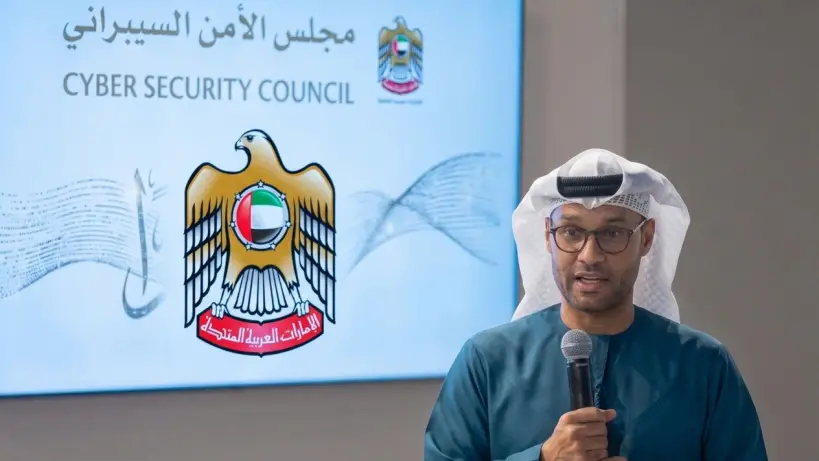
Dr. Mohammed Al Kuwaiti
He revealed a shocking incident in which a hacker successfully gained control of a smart vacuum cleaner equipped with a camera, using it to secretly capture footage of a family inside their home before exploiting the images to blackmail them, highlighting the real-world risks of unsecured smart devices.
Al Kuwaiti explained that this case reflects a broader shift in cybercrime patterns, which now extend far beyond traditional hacking to include identity theft, online abuse, ransomware, deepfake manipulation, and misinformation campaigns, often starting from something as simple as a message or phone call.
He emphasized that smart devices inside homes and vehicles, including robotic vacuums and dash cameras, are increasingly targeted by cybercriminals, who can remotely access and manipulate them, making it essential for users to adopt stronger cybersecurity practices and remain vigilant.
In addition, he warned about the growing wave of digital fraud schemes, particularly those promoting fake investment opportunities in gold and cryptocurrencies, where victims are lured by promises of high and fast returns, only to lose significant savings through highly sophisticated scams that mimic legitimate platforms.
What do you think of this story?
Share your reaction, or help us correct a detail.





Thank you for being part of our community. Read our Comment Policy before posting.
Comments
Loading the conversation…