


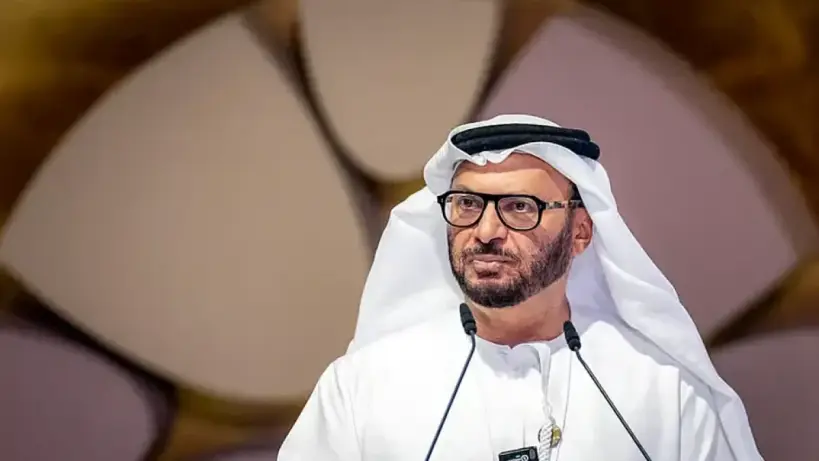
Dr Anwar Gargash, diplomatic adviser to the UAE President, has responded to criticism by Iranian Parliament Speaker Mohammad Bagher Ghalibaf of Lana Nusseibeh’s nomination for the post of United Nations secretary-general.
In a statement posted on X on Sunday, October 25, Gargash said he hoped the remarks issued through Ghalibaf’s social-media account reflected an initiative by the account manager rather than the speaker’s own position.
“I hope that these tweets are the result of an initiative by Mr Ghalibaf's account manager, rather than an expression of his personal stance,” Gargash said.
He said it was legitimate to discuss Nusseibeh’s qualifications and candidacy. However, he argued that Ghalibaf’s comments were not objective and did not take account of the UN’s function in encouraging dialogue and helping resolve conflicts.
Gargash said the nomination of a professional diplomat associated with narrowing differences and placing diplomacy first would naturally attract objections from some hardline voices. “It is natural that the nomination of a professional figure known for bridging differences and prioritising diplomacy would provoke objections from some hardline voices,” he wrote.
Nusseibeh, the UAE’s Minister of State and Envoy to the UN and European Union, announced her candidacy on Wednesday, October 21. President Sheikh Mohamed bin Zayed Al Nahyan had formally nominated her for the position.
In her vision statement, Nusseibeh said the UN should use “quiet diplomacy” to stop conflicts from worsening. She called for practical agreements that can reduce human suffering while opening a path towards wider political settlements.
Her approach also places emphasis on involving actors closest to a conflict, including regional organisations and mediators trusted by the parties. Nusseibeh said the UN does not have to lead every negotiation, but should be prepared to support those best positioned to advance talks.
She has proposed that efforts to bridge divisions among states should aim for more than maintaining dialogue. The intended outcomes, according to her vision, include lowering violence, enabling humanitarian aid to reach people in need and creating conditions for durable peace.
Thank you for being part of our community. Read our Comment Policy before posting.
Comments
Loading the conversation…