


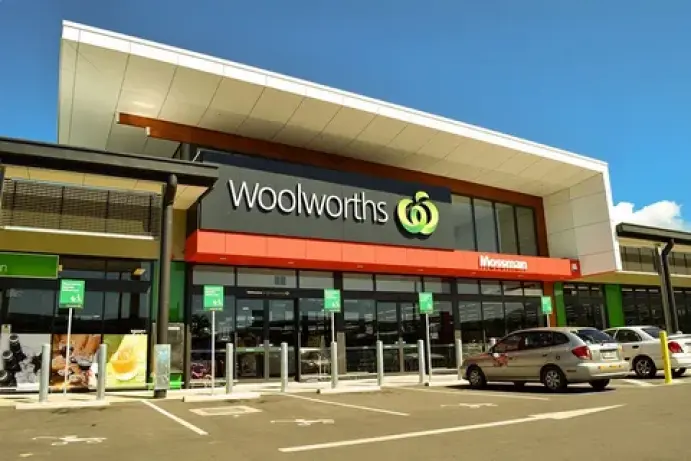
The management of Australia's largest grocery retailer, Woolworths Group, officially confirmed a nationwide structural price adjustment targeting its premium loyalty subscription program, Everyday Extra.
Subscribers across the country will face an annual fee increase of up to $30, marking a significant strategic shift in the supermarket's consumer reward ecosystem as retail corporations face mounting supply chain pressures, rising logistical overheads, and persistent domestic inflation.
According to official corporate directives issued to account holders, the base cost of the yearly membership tier will climb steadily from its previous rate, placing an unexpected financial burden on working families who rely heavily on subscription perks to offset their rising grocery bills.
Executive spokespersons defended the monetary increase by stating it is necessary to sustain high-quality digital operations and secure a wider array of personalized product perks for loyal participants.
In direct response to this sudden financial policy shift, consumer advocacy groups revealed they are tracking a sharp rise in customer dissatisfaction and cancellation inquiries across various digital forums.
The digital rewards platform, which previously offered highly lucrative monthly flat-rate discounts on in-store purchases, is being heavily re-evaluated by thrifty shoppers who question whether the net financial returns still justify the heightened entry cost.
Furthermore, field analysts from retail monitoring groups have pointed out that the subscription model modifications do not stop at the annual base rate.
The internal terms of service have also been quietly updated to adjust how bonus points are accumulated and redeemed across participating fuel outlets and partner department stores, forcing households to spend significantly more capital before unlocking baseline cashback rewards.
Crucially, personal finance experts have issued immediate budgetary guidelines, advising consumers to systematically audit their transactional histories to see if they are genuinely utilizing the platform's perks.
Financial planners stress that if a household's average monthly grocery expenditure at these specific supermarkets does not consistently exceed a certain threshold, the newly inflated membership price will completely erase any actual savings, turning a discount tool into an unnecessary recurring debt.
Consequently, independent financial councils are encouraging shoppers to adopt diversified grocery strategies, such as cross-shopping with rival discount chains and utilizing free, non-subscription point systems wherever possible.
Securing competitive pricing through alternative local markets or buying pantry staples in bulk remains the most reliable mechanism to insulate household budgets from unexpected corporate tariff hikes and creeping membership inflation.
Looking ahead, retail industry specialists indicate that Woolworths' bold pricing maneuver will likely trigger a competitive chain reaction among rival supermarket giants and streaming subscription services operating domestically.
Instead of triggering a massive customer exodus, this premium price hike may incentivize competitors to temporarily freeze their own loyalty fees, sparking an aggressive marketing war to capture budget-conscious shoppers looking for maximum economic relief.
Ultimately, proactive consumer awareness and strategic flexibility serve as the definitive frontline defense against the rising cost of living.
By actively calculating the real-world utility of paid commercial memberships, setting strict caps on automated digital renewals, and staying well-informed on shifting corporate point structures, individual shoppers can take back control of their wallets and protect their financial well-being during volatile economic cycles.






Comments
Log in to write a comment