



New amendments to Canada’s asylum system have sparked widespread concern, after official warnings indicated that thousands of asylum seekers could see their applications rejected without being fully reviewed, as part of government efforts to reduce a growing backlog.
Under the new law, approved at the end of March, asylum seekers who entered Canada after June 2020 are required to submit their claims within one year of arrival. Failure to meet this deadline may result in their applications being deemed ineligible.
According to Immigration, Refugees and Citizenship Canada, the measures are intended to ease pressure on the system, which currently has more than 300,000 pending asylum applications. Authorities estimate that around 30,000 claims could be excluded under the new rules.
Possible denial of hearings
The changes go beyond reducing application numbers and extend to how cases are processed.
Some applicants may be denied the opportunity to present their cases before the Immigration and Refugee Board, with decisions instead based solely on written submissions—raising concerns about fairness and due process.
Controversial case highlights concerns
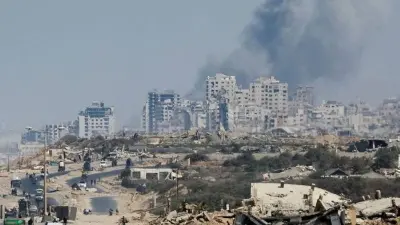
One widely discussed case involves a 38-year-old man of Indian origin, a Palestinian refugee from Gaza Strip, who now faces possible rejection despite what advocates describe as exceptional humanitarian circumstances.
The man first entered Canada in 2023 to donate a kidney to his sister, before returning to Gaza prior to the outbreak of war, according to CTV News.
After experiencing severe displacement conditions with his family, he returned to Canada in 2025 and applied for asylum. However, authorities used his initial entry date as the legal reference point, placing him beyond the one-year eligibility window.
Legal concerns and potential challenges
Lawyers and refugee rights advocates have warned that the law could disproportionately affect vulnerable groups, particularly those prevented by extraordinary circumstances from applying on time.
They also suggested that the amendments could face legal challenges for potentially conflicting with international law and the Canadian Charter of Rights and Freedoms.
For her part, Immigration Minister Lena Diab stated that Canada will not deport individuals to active conflict zones, but noted that alternative measures may be taken against those whose asylum claims are denied.




Thank you for being part of our community. Read our Comment Policy before posting.
Comments
Loading the conversation…