


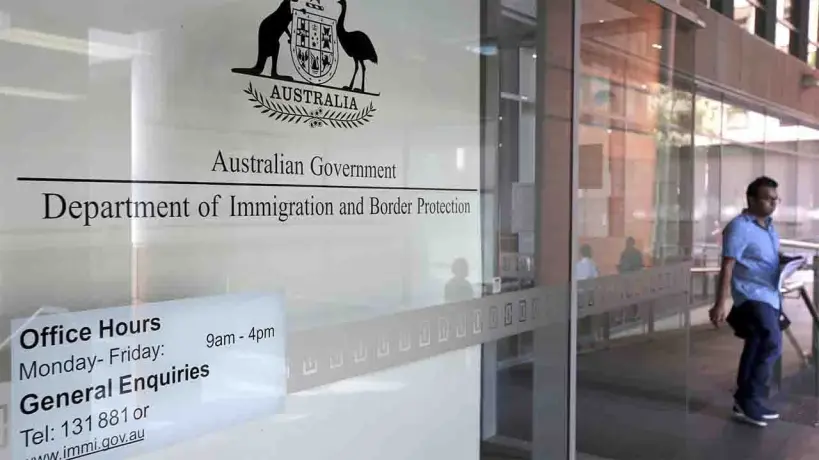
The Australian Government, in close coordination with the Department of Home Affairs and major national social enterprises, has officially confirmed the expansion and execution of advanced economic integration frameworks.
This multi-million dollar nationwide initiative mandates the structural deployment of specialized vocational channels designed to rapidly integrate humanitarian entrants, refugees, and skilled migrants into critical segments of the domestic workforce, addressing prolonged localized labor shortages while fostering a more cohesive and productive multicultural society.
According to official government directives, this modernized approach represents a historical milestone in migration settlement policy.
The updated frameworks drastically accelerate the identification and positioning of incoming talent, allowing regional employers to tap into diverse skill pools within weeks of an applicant's arrival rather than forcing vulnerable professionals to navigate the bureaucratic bottlenecks that traditionally hindered their economic self-sufficiency.
Driven by a collaborative network of community supporter groups and employment specialists, this infrastructure processes thousands of localized applications across major metropolitan and regional centers.
The structural operational framework possesses the necessary fiscal and administrative backing to establish specialized hubs, offering streamlined skills assessments, direct licensing pathways for priority trades, and intensive on-the-job training modules across states like New South Wales, Victoria, and Queensland.
Furthermore, the underlying integration ecosystem explicitly targets unique socio-economic hurdles, including low English language proficiency and unrecognized foreign qualifications.
By pairing participants with dedicated corporate mentors and social enterprises, the framework instantly anchors practical, localized work experience against active vacancies in high-demand industries such as hospitality, construction, logistics, and digital services.
Crucially, transitioning these settlement strategies into permanent, enterprise-backed models guarantees absolute alignment with national economic goals.
By enforcing strict, long-term post-placement support metrics that extend up to six months after an individual secures a role, the system prevents sudden workplace attrition, minimizes dependency on federal social security structures, and maximizes the net financial contribution of multicultural demographics to the national tax base.
Consequently, business leaders and economic analysts have highly praised the structural components of the Refugee Integration Framework.
They note that providing fast, flexible qualification recognition directly eliminates underemployment—a systemic issue where highly qualified foreign doctors, engineers, and academics are historically trapped in low-skilled survival jobs due to regulatory delays.
Looking ahead, public policy specialists indicate that the next strategic phase will involve deepening the geographical reach of these programs into rural and agricultural communities.
Implementing real-time vocational matching tools at regional transit zones will establish a seamless pathway for families to settle in growing regional hubs, effectively decentralizing the migrant population while revitalizing primary industries facing severe generational workforce deficits.
Ultimately, proactive community awareness and structural corporate cooperation serve as the definitive frontline defense against social isolation and economic disenfranchisement.
By welcoming these innovative professional pathways, recognizing the inherent value of diverse human capital, and actively supporting localized settlement initiatives, modern society can establish a prosperous, inclusive, and technologically resilient economy.






Comments
Log in to write a comment