


Canada is targeting 150,000 new international student arrivals in 2027 under its 2027–2029 Immigration Levels Plan. Immigration, Refugees and Citizenship Canada (IRCC) outlined that target in a November 20, 2026, backgrounder. The figure covers new student arrivals under the federal plan. Permit extensions and study permit applications made from within Canada fall outside that tally. Individual applicants still need to meet the requirements in force when they apply.
Study in Canada 2027: International Student Targets and Study Permit Requirements
Canada
Font
Article text size
English fonts
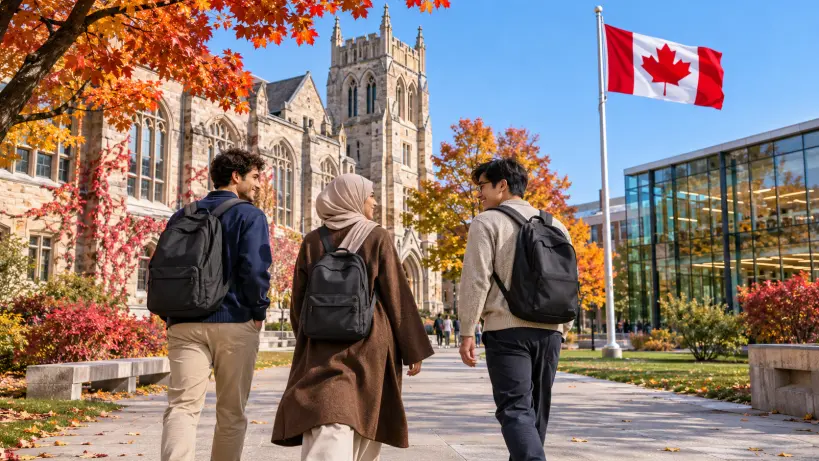
Study in Canada 2027
If you are applying from outside Canada, start by getting a letter of acceptance from a designated learning institution (DLI). Prepare a valid passport and proof that you can pay for your studies and stay. IRCC may ask for additional documents based on the country or region you apply from. If you plan to study in Quebec, check the province’s requirements for the Quebec Acceptance Certificate (CAQ) and its financial rules.
Many applicants must submit a provincial or territorial attestation letter (PAL/TAL) with their study permit application. Published exemptions include degree-granting master’s and doctoral programs at public DLIs, with Quebec’s requirements applying where relevant. If your letter was issued for the 2026 cap year, check its expiry before filing. IRCC says those letters are valid until December 31, 2026, unless the letter has an earlier expiry date. Your letter must be valid on the day you apply.
Under the financial support table effective September 1, 2026, a single applicant studying outside Quebec must show CAD 23,448 for first-year living expenses, plus tuition and travel costs. The amount rises if family members accompany you. For programs lasting more than one year, explain how you will pay for the rest of your studies as well. Check the official financial support table again when you file, because IRCC updates the amounts each year.
Most applicants filing from abroad apply online. The federal study permit fee is CAD 150, and individual biometrics cost CAD 85 when required. After submitting your application, check your account for biometrics instructions or requests for additional documents. Processing times vary by country. Select the study permit category for applications outside Canada and your country in IRCC’s processing-time tool for a current estimate before making travel plans.
What do you think of this story?
Share your reaction, or help us correct a detail.
Thank you for being part of our community. Read our Comment Policy before posting.
Comments
Loading the conversation…