


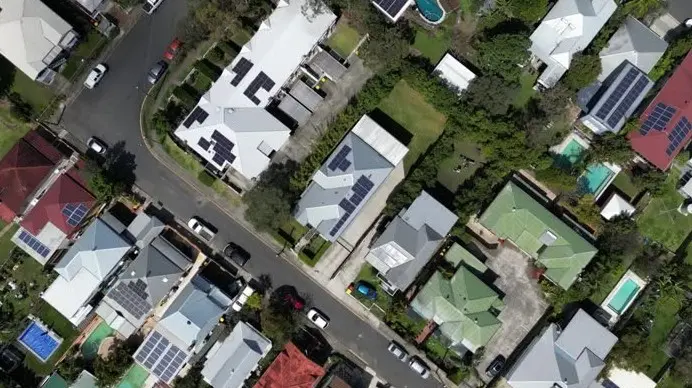
Energy experts in Australia have revealed a critical household optimization strategy capable of reducing home heating power consumption by up to 40%.
Official data and technical analyses confirm that making minor adjustments to indoor thermostat settings during cooler months yields significant financial savings while maintaining optimal living temperatures across Australian homes.
In a related context, energy efficiency specialists highlighted that lowering indoor heating setpoints by just one or two degrees Celsius drastically reduces total electrical load.
Research indicates that every single degree reduction on a home thermostat translates directly to an estimated 10% decrease in overall heating energy usage over a billing cycle.
Furthermore, consumer advocacy groups and government energy bodies emphasize that adopting proper thermal management techniques protects households from escalating electricity tariffs.
Simple habits, such as sealing drafty doors, closing internal curtains, and insulating windows, preserve interior heat and prevent HVAC systems from running continuously at maximum capacity.
Maximizing Australia Energy Savings
To guide residents toward actionable outcomes, energy advisors recommend setting living room thermostats between 18°C and 20°C during winter.
Maintaining this recommended range optimizes thermal efficiency, prevents unnecessary power surges, and ensures that households achieve meaningful operational cost reductions without sacrificing comfort.
Smart Upgrades for Australia Energy Savings
Additionally, installing programmable or smart thermostats allows homeowners to automate temperature schedules based on occupancy patterns.
Modern climate control systems automatically lower temperatures overnight or when rooms are vacant, preventing wasted power and delivering continuous long-term savings on utility statements.





Comments
Log in to write a comment