

No Australian region now meets the threshold for affordable rents, the National Rental Affordability Index found, despite a slight improvement in rental affordability since 2025.
Australia’s rental affordability improves slightly but remains out of reach nationwide
Australia
Font
Article text size
English fonts
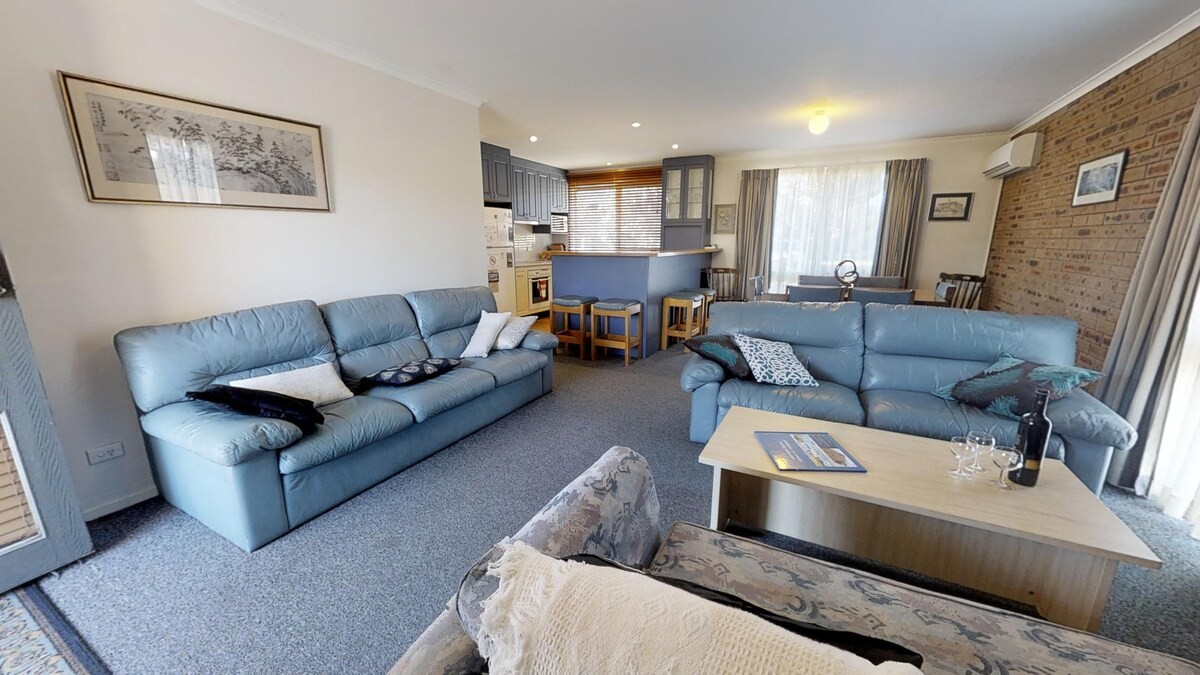
The National Rental Affordability Index found rents exceed its affordability threshold across Australia.
Released on Tuesday, the index shows housing costs account for at least 23% of household income across Australia, while rents in Sydney, Perth and Hobart exceed 30% of household income.
Thresholds and modest improvements
The National Rental Affordability Index classifies rent costing between 20% and 25% of household income as acceptable. Rents are considered affordable only when they account for less than 20% of income.
Sydney’s rental affordability improved by 1% compared with 2025, alongside a decline in property prices. Conditions also improved in all state and territory capitals except Canberra and Adelaide, as well as in regional areas. The gains have not restored affordability in any part of the country, according to the index.
Tenant pressures in Sydney
The report points to the experience of Virginia Lord, 63, who works at a Sydney hospital and has taken extra shifts rather than preparing for retirement in order to pay her share of rent and meet family activity costs. Lord previously owned a home in the 1990s, but a divorce and the responsibility of raising a large family left her unable to keep up with mortgage payments.
She now pays A$400 a week for a room in a two-bedroom house shared with a colleague, about 20 minutes from their workplace in St Leonards. With weekly earnings of about A$1,000, her rent is classified as excessively high relative to her income under national standards.
Housing supply proposals
The report calls for more affordable homes in the areas where people work. It warns that when workers cannot live in communities dependent on their services, living pressures increase and demand for government assistance rises.
It argues that reducing long-term dependence on social housing and homelessness services requires early intervention, including protecting and expanding the supply of affordable housing.
The Business Council of Co-operatives and Mutuals has secured backing from major banks to expand cooperative housing projects. The group aims to build up to 17,500 homes a year, with most intended to be rented below market rates and to provide residents with stable, long-term housing.
What do you think of this story?
Share your reaction, or help us correct a detail.






Thank you for being part of our community. Read our Comment Policy before posting.
Comments
Loading the conversation…