


Revealed by statistical trends in the ongoing ODI series, West Indies have achieved an extraordinary yet frustrating milestone by accumulating over 700 runs in just two matches, only to find themselves 0-2 down against India.
This paradoxical outcome highlights a seismic shift in modern ODI cricket, where batting powerhouses are no longer protected by massive totals without top-tier bowling execution.
In a related context, the second ODI in Guwahati showcased West Indies posting a staggering 405 for 7, backed by centuries from their top order, only for India to chase it down with relative ease in 43.3 overs.
Read Also: Hasan Nawaz's Masterclass Exposes Why Chasing 200+ Runs is the New Standard in T20 Cricket.
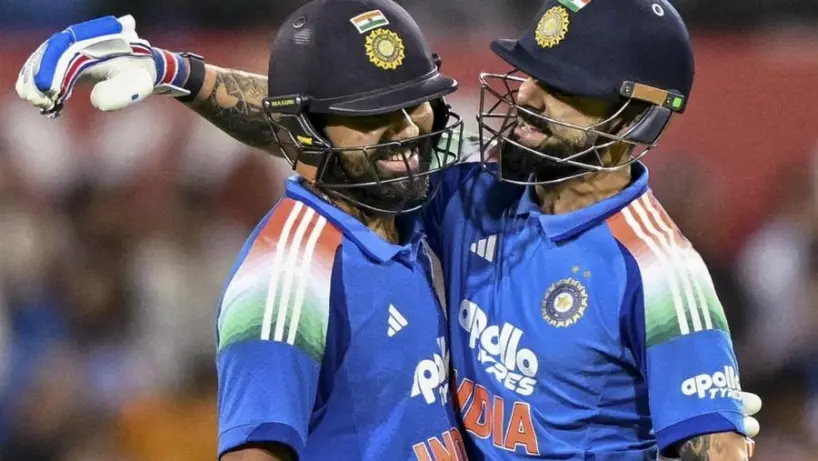
Skipper Shubman Gill's record-breaking unbeaten 223, alongside Rohit Sharma’s century, demonstrated that flat batting tracks and rapid outfields have rewritten the standard targets required to secure international victories.
Furthermore, the tactical breakdown reveals that the West Indies' main vulnerability lies in their final-overs execution and lack of defensive bowling control during powerplays.
Despite posting 295 and 405 when batting first, their bowling attack yielded high run rates to India’s top order, allowing the hosts to complete two consecutive eight-wicket victories without entering high-pressure situations.
Analytically speaking, heading into the 3rd ODI at Mullanpur a venue hosting its inaugural men's international ODI .
teams face a strategic crossroad where winning the toss and chasing is becoming the default tactical choice. The venue’s quick outfield and true bounce mean that even a 300-run first-innings total serves merely as a baseline benchmark rather than a match-winning score.
From an instructional and analytical perspective, international teams must recalibrate their white-ball strategies by prioritizing middle-over wicket-taking bowlers over extra batting depth.
For West Indies, surviving India's relentless batting lineup requires mixing pace variations, enforcing disciplined line-and-length bowling, and utilizing tactical field placements rather than relying solely on scoreboard pressure.






Comments
Log in to write a comment