


Qiulae Wong, leader of New Zealand’s Opportunity Party, is set to play a decisive role in coalition talks after her centrist party won seven seats and 6.1 percent of the vote in this month’s election.
Qiulae Wong’s Opportunity Party emerges as key to Luxon’s coalition plans
Fiji New Zealand
Font
Article text size
English fonts
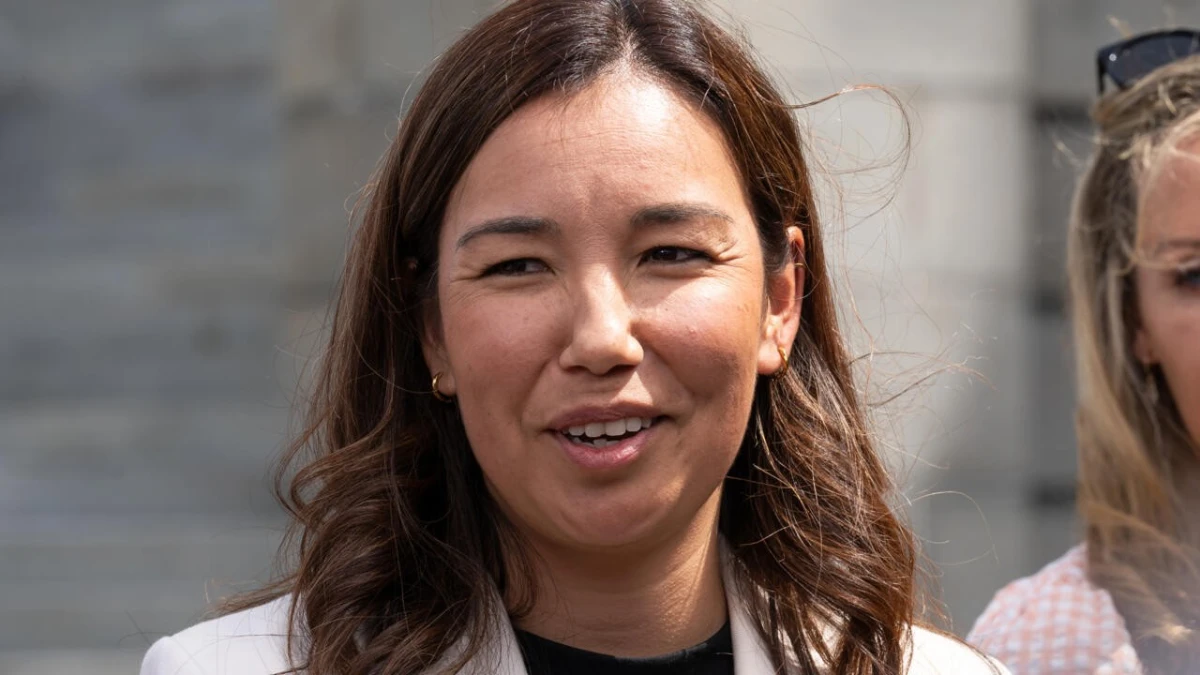
Qiulae Wong’s Opportunity Party won seven seats and 6.1 percent of the vote in New Zealand’s election.
The result has put the 38-year-old former KPMG consultant at the centre of efforts by Prime Minister Christopher Luxon to assemble a viable government. Opportunity had been polling at about one percent in August last year, before Wong took over the party after responding to an advertisement seeking a new leader 15 months ago.
Luxon had previously ruled out working with Opportunity, but acknowledged on Friday that he would need the party’s support if he wanted to remain in office. Wong has indicated that she will work with him, while maintaining that Opportunity’s “bottom lines” cannot be negotiated. The country now faces weeks of political bargaining.
Those demands cover climate-change action, political-lobbying regulations, healthcare reform, phasing out bottom trawling and the cost of living. They could be difficult to reconcile with the positions of Luxon’s right-wing partners, the populist NZ First and the libertarian ACT.
During the campaign, Wong also ruled out working in a government in which NZ First leader Winston Peters was foreign minister. Her position followed Peters’s remark telling a Chinese-born lawmaker to “go back to your own country”.
Wong also declined on Friday to rule out returning New Zealand to a second election if coalition talks fail. She said the party would be as constructive and proactive as possible, but stressed that other parties would also be involved in the negotiations.
She has promoted what she calls “pragmatic politics” as an alternative to increasing polarisation, saying she wants to “bring the heat down a little bit and actually just focus on moving the country forward”.
Wong, who is of Chinese and European descent and was born in Fiji, said after the election that the result indicated voters were growing tired of populist politics. She told journalists that there was a global shift towards more pragmatic politics, arguing that populism had not delivered results and lacked the substance needed to move countries forward.
Her rise has come as established parties in many countries have lost support to populist movements advocating more radical policies on the left or right. Before entering politics, Wong worked in sustainable fashion. A mother of two, she uses social media to combine family life and casual outings with political rallies and media appearances, prompting comparisons with former prime minister Jacinda Ardern.
Richard Shaw, a politics professor at Massey University, told AFP that Wong and Ardern were both relatively young women pursuing a different style of politics. He called Opportunity’s rise “remarkable”, citing its differences from other New Zealand parties and Wong’s relative inexperience.
Shaw said Wong’s approach could appeal while New Zealand politics were becoming more “fraught and more feral and more shouty” and women in public life faced severe online trolling. He said a woman openly leading a party in her own way could resonate with voters.
Source: France 24, reporting by AFP
What do you think of this story?
Share your reaction, or help us correct a detail.





Thank you for being part of our community. Read our Comment Policy before posting.
Comments
Loading the conversation…