


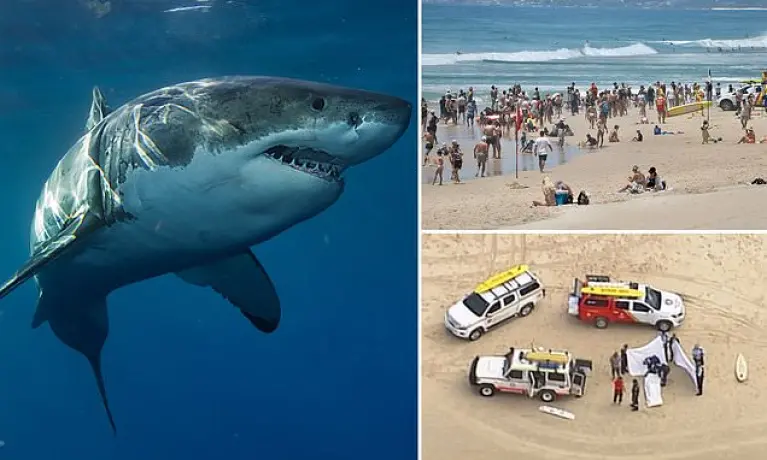
The Western Australia Police Force and marine authorities have issued an urgent safety warning following a tragic incident off Michaelmas Island near Albany. Officials confirmed that a 35-year-old man was killed on Saturday, marking the nation's third fatal encounter in just four weeks.
In an official statement, emergency services revealed that the victim was spearfishing with his family when he was mauled by a suspected 4.5-metre (15-foot) great white shark. Despite being rushed to the mainland via boat where paramedics were waiting, his injuries were too severe, and he could not be revived.
Read Also: How to survive a shark attack in Australia.
Furthermore, marine biology experts have described this rapid succession of fatalities as extraordinary for a country that usually averages around three shark deaths annually. This latest tragedy follows the loss of a 38-year-old father near Rottnest Island and a 39-year-old diver on the Great Barrier Reef.
Changing Migration Patterns: Analyzing the Extraordinary Surge of Shark Attacks in Australia
On a related note, researchers from Bond University stated that spearfishers face an inherently higher risk than swimmers or surfers due to their activities. The potential stimulus of struggling fish and blood in the water naturally attracts inquisitive apex predators, increasing the likelihood of aggressive behavior.
From its side, the Department of Primary Industries and Regional Development urged ocean users to check official hazard apps before entering the water. Scientists believe that changing environmental factors, such as rising ocean temperatures and salmon migration patterns, are drawing large sharks closer to popular coastal reefs.
Meanwhile, political figures and coastal safety advocates are calling for an immediate review of current mitigation strategies. The state government has recently invested tens of millions of dollars in monitoring programs, but confidence among local diving communities has been deeply shaken.
Risk Management Strategies: How Local Communities Face Sudden Shark Attacks in Australia
Additionally, historical data from the Australian Shark-Incident Database shows that fatalities have experienced a slight increase over the last few seasons. Experts emphasize that while the ocean carries inherent risks, water quality, and seasonal fish runs play a major role in predator proximity.
Following the incident, local commercial fishermen noted a significant increase in large marine life chasing seasonal baitfish along the southern coast. Consequently, authorities have temporarily closed several beaches around Albany and deployed extra aerial patrols to spot potential threats.
As explained by safety teams, poor water quality from recent coastal rains can also create murky environments where sharks mistake humans for prey. Therefore, water enthusiasts are strongly advised to avoid diving during low-visibility conditions or near commercial fishing vessels.
Advanced Safety Protocols: Essential Advice to Prevent Further Shark Attacks in Australia
Ultimately, as the winter salmon run continues, the absolute priority for Australian ocean operators and recreational divers is maximum vigilance and strict adherence to safety protocols.
Divers are heavily advised to carry personal shark deterrent shields and never spearfish alone. By respecting environmental cues and staying informed through official channels, communities can better manage the natural risks associated with the Australian coastline.






Comments
Log in to write a comment