


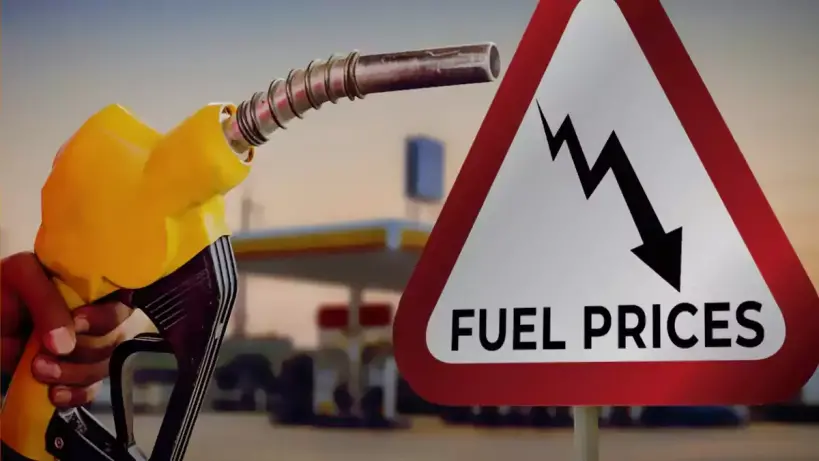
DUBAI – As the month of April draws to a close, millions of motorists across the United Arab Emirates are closely watching the Fuel Price Committee's upcoming announcement. With the recent news of a ceasefire and easing geopolitical tensions with Iran, many are asking: Will petrol prices see a significant drop in May?
Despite oil prices retreating from their March highs of $120 per barrel, experts suggest that a sharp decline at the pumps is unlikely. Here is a deep dive into the factors shaping fuel costs for the coming month.
The "Lag Effect" in UAE Pricing
The UAE determines domestic fuel prices based on the average global oil prices from the previous month. While April has been more stable than the chaotic peaks of March, Brent crude has maintained a relatively high floor, fluctuating between $90 and $100. This "lag effect" means that May’s prices will reflect an April average that was still elevated by residual market volatility.
Supply Constraints: The Hormuz Factor
The geopolitical "premium" has not entirely vanished. Even with a ceasefire in place, logistics in the Strait of Hormuz—through which nearly 20% of the world’s energy flows—remain constrained. Limited vessel movement and ongoing maritime caution continue to support higher prices, preventing a full market reset.
Currently, Brent Crude is trading near $99.29, showing renewed upward pressure as markets remain skeptical about a long-term resolution.
Projected Trends for May 2026
Industry analysts expect May to be a month of stabilization rather than a sharp correction:
- Gasoline (Special 95 & Super 98): Likely to remain stable or see a very marginal decrease.
- Diesel: Expected to remain high due to global supply shortages and the ongoing logistical hurdles in the region.
From Crisis to Stability
Historical pricing cycles in the UAE show that sharp spikes are usually followed by a period of "plateauing" before any clear downward trend emerges. Motorists should anticipate a transition phase in May, where the market moves away from "crisis pricing" toward a new, albeit higher, baseline of stability.



Comments
Log in to write a comment