


Texas executed Reinaldo Dennes on Nov. 19 after a spiritual adviser reported that Dennes cried out in pain and said the lethal-injection drug was not working. Earlier the same day, Florida executed Thomas Mitchell Overton, its 20th inmate this year, setting a state record.
Texas execution draws pain claim as Florida carries out a record 20th death sentence
United States
Font
Article text size
English fonts
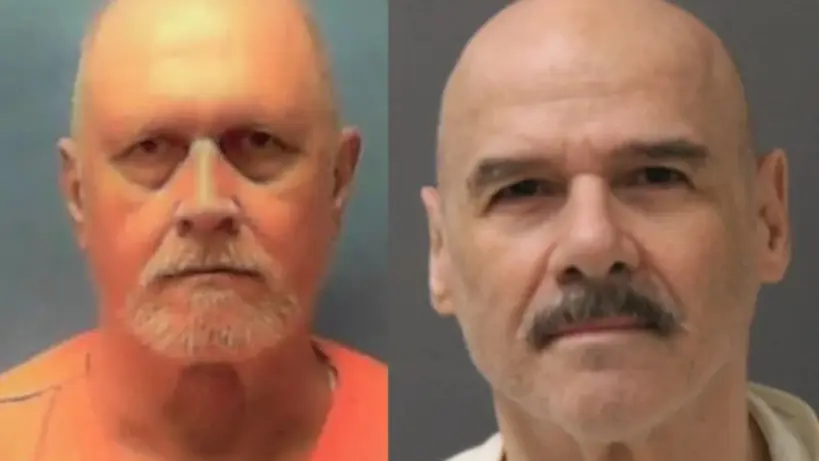
Reinaldo Dennes was executed in Texas on Nov. 19, the state's ninth execution of 2026.
The two executions brought the U.S. total for 2026 to 39, with Overton becoming the 38th person put to death and Dennes the 39th. Florida pronounced Overton dead at 6:19 p.m. ET; Texas pronounced Dennes dead at 7:08 p.m. CT, more than an hour after his scheduled execution time.
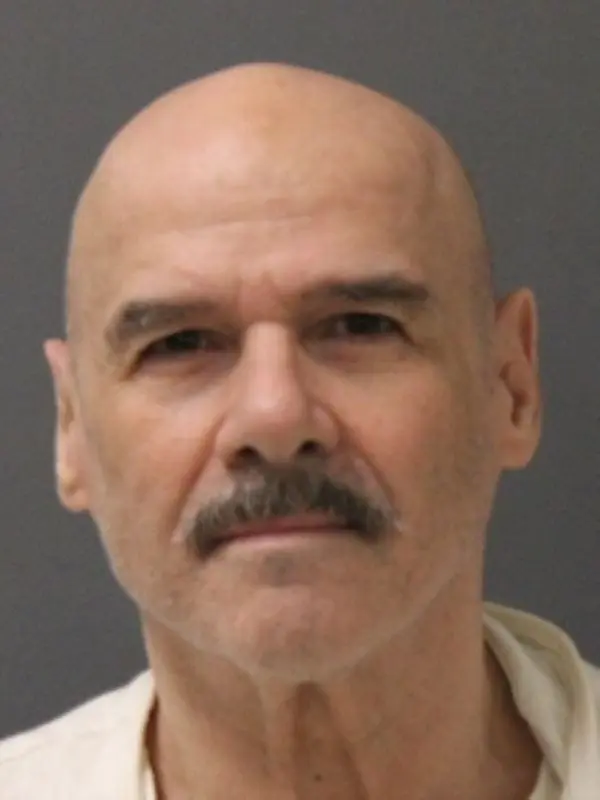
The Rev. Jeff Hood, a spiritual adviser who has witnessed more than a dozen executions nationwide, was in the Texas death chamber during Dennes' lethal injection. Hood described it afterward as “by far the worst one” he had seen and said it “did not go to plan.”

Hood said Dennes shifted violently on the gurney and repeatedly cried, “My leg, my leg, my leg.” He said Dennes also shouted twice, “It’s not working like it’s supposed to,” and that it appeared the drugs were not acting as quickly as expected.
The Texas Department of Criminal Justice said intravenous lines had been placed in Dennes' left foot and on the left side of his neck. Department spokeswoman Amanda Hernandez said that, before the lethal dose was administered, Dennes alleged pain in locations where no IV lines had been established.
Texas used pentobarbital in Dennes' execution, its third use of the drug since Tennessee death-row prisoner Christa Pike survived an execution attempt on Sept. 30. Pike survived two doses of pentobarbital and was taken to a hospital after Tennessee attempted to execute her for more than an hour.
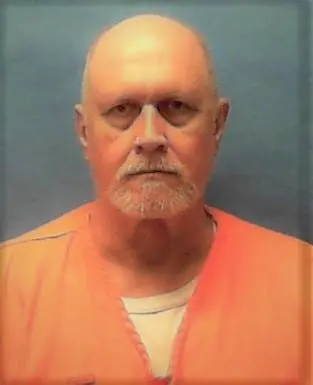
Dennes, 70, was executed for the 1996 killing of Houston diamond dealer Johnny Szucs during a jewelry robbery in which $3.6 million in diamonds and $200,000 in cash were taken. His death was Texas' ninth execution this year, the state's highest annual number since 2019.
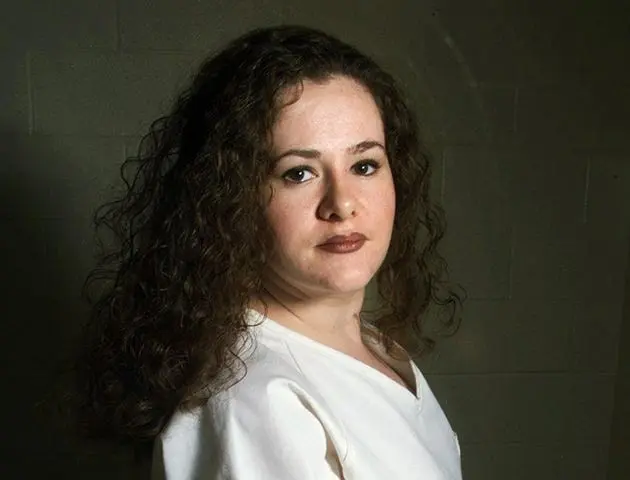
Court records describe Dennes as a jeweler who worked in the same high-security Houston building as Szucs, a 44-year-old wholesale diamond dealer. Prosecutors said Dennes planned the robbery over months, paid a toolmaker to make a silencer for his gun and enlisted his lover, 23-year-old cleaning worker Estrella Martinez.
At about 6:30 p.m. on Jan. 24, 1996, Martinez allowed Dennes and his older brother into the building, according to court records. She distracted a guard by claiming she had locked her keys in an upstairs office, but Dennes later called her and asked her to continue delaying the guard.
When the guard, David Copeland, approached as Dennes was trying to remove security videotapes, Dennes shot him in the chest and again in the back after he fell, court records say. Copeland survived and told officers what had occurred.
Police later entered Szucs' seventh-floor office after his wife reported that he had not returned home. They found him dead and discovered that diamonds, cash and the five-carat pinky ring he routinely wore were missing, according to court records.
Nicole Szucs, the victim's widow, described the crime as “very cold-blooded and malicious.” She said Dennes had lured her husband with a false claim that a major dealer was coming to town and wanted to buy a large quantity of diamonds. Nicole Szucs said she and her husband had been married for more than 12 years.
Before his execution, Dennes told loved ones that he had been “extremely blessed these 30 years” because of “the love of the Father,” according to the Texas Department of Criminal Justice. He said he hoped they would believe what he had told them and come to know what he called God's grace.
Texas has carried out 605 executions in the modern era, more than any other state, according to the Death Penalty Information Center. Florida, with 145, is the next closest. Texas' single-year modern record remains 40 executions in 2000, when there were 85 executions nationwide.
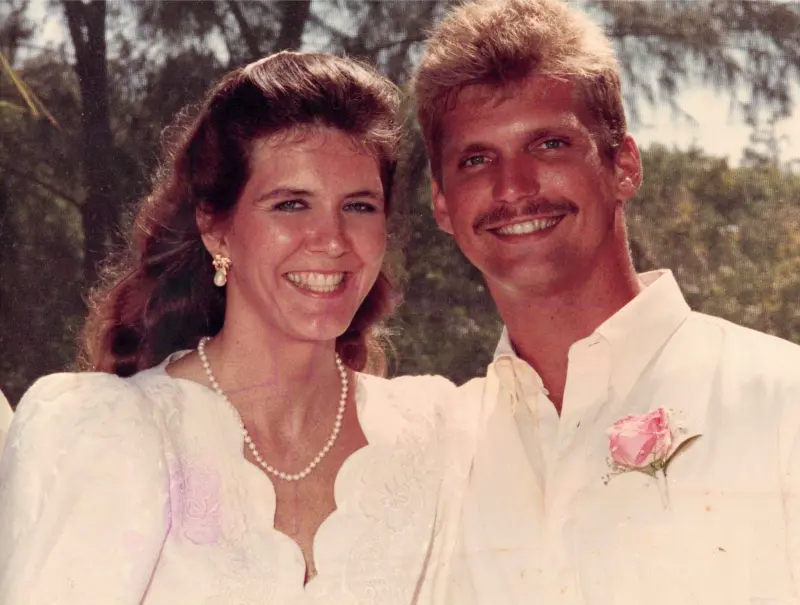
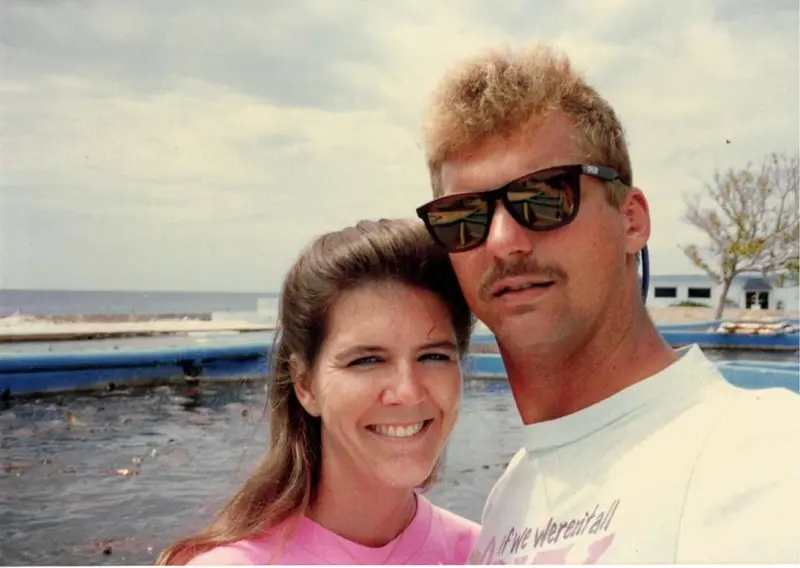
Florida's execution of Overton, 71, came 35 years after the killings of Mike and Missy MacIvor in their Tavernier Key home. Missy MacIvor was eight months pregnant, and the couple's unborn son died in the womb about 30 minutes after his mother, court records say. The child was due about a month later and was to be named Kyle Patrick.
Mike MacIvor, 30, and Missy MacIvor, 29, were last seen alive on Aug. 21, 1991, after attending a Lamaze class and returning to their waterfront home. Their bodies were found the next morning.
Prosecutors said Overton met Missy MacIvor while working at an Amoco gas station near the couple's residence and obtained her address from a check she used to pay for fuel. They alleged that he later told a cellmate he had watched the house several times before entering through a second-floor nursery window in the early hours of Aug. 22 after cutting the phone lines.
Court records say Overton first struck Mike MacIvor in the back of the head with a pipe, knocking him unconscious. He then overpowered Missy MacIvor as she ran from the bedroom, tied her up, raped and strangled her, and also strangled Mike MacIvor. Accounts differ over which victim was killed first, according to the records.
Investigators matched Overton's DNA to semen recovered at the crime scene. At trial, defense lawyers argued he had been framed and suggested police planted the semen. They said he had been at the gas station during the killings and that supporting timesheets had been destroyed.
Overton also alleged that law enforcement had a motive to target him because he had a three-month affair with a Monroe County deputy whose husband was a detective in Marathon, according to an archived Miami Herald report. Strapped to the execution gurney, Overton continued to maintain his innocence in his final statement.
“I’ve never sexually assaulted anyone. I never killed anyone,” Overton said, according to an Associated Press witness account. “I didn’t kill the MacIvors.” Florida uses a three-drug lethal-injection protocol that does not include pentobarbital.
Sharon MacIvor, Mike MacIvor's sister, said after the execution that the family could finally say justice had been served. She said the delays had repeatedly forced relatives to revisit the most painful period of their lives and described relief as the closest word for their response.
She said learning how hard her brother fought to survive and how he was killed had been among the hardest details to live with. She said she attended the execution in part for her parents, who died within five years of Overton's sentencing and, she believed, would have wanted to see the sentence carried out.
“I stand here for my parents, who carried this heartbreak for the rest of their lives and are not here to see this day,” Sharon MacIvor said. “I stand here for Michael, for his wife Missy, and for their unborn son, Kyle.” She said the families lost decades of memories, milestones and celebrations.
Overton's execution surpassed Florida's previous annual record of 19 executions, set last year. Before then, the state had never executed more than eight people in a year during the modern death-penalty era.
Two further Florida executions are scheduled. Ricardo Gonzalez, convicted of the 1992 murder of North Miami police officer Steven Bauer during a bank robbery, is set to be executed on Dec. 1. Willie Seth Crain Jr., convicted of the 1998 murder and suspected rape of 7-year-old Amanda Brown, is scheduled for Dec. 19.
Gov. Ron DeSantis, whose term ends in January, decides when to sign death warrants. He has said he acts for victims and relatives who in some cases have waited decades for justice. Death-penalty opponents have criticized him and argued that political ambition before the 2028 presidential election is a factor.
Floridians for Alternatives to the Death Penalty condemned Overton's execution, saying he endured childhood abuse at the Dozier School for Boys, served in the U.S. Army, consistently maintained his innocence and had jurors who did not believe he should receive a death sentence. The group accused DeSantis of overlooking those circumstances in pursuit of a state execution record. DeSantis' office did not respond to a request for comment.
Thursday marked the seventh time in 2026 that two or more states executed prisoners on the same day. At least three additional executions are scheduled nationally, continuing a two-year increase in the use of the death penalty. The timing of double and triple execution days is coincidental.
Pike's Sept. 30 execution attempt in Tennessee has drawn further attention to lethal-injection procedures. She had been scheduled to die for the 1995 murder of 19-year-old Colleen Slemmer but survived after receiving two doses of pentobarbital and was transported to a Nashville-area hospital.
A month later, Pike said she remained in constant physical and mental pain. She said she had not contemplated life after the scheduled execution and was hurt by what she called incompetence that had affected many people, while also acknowledging the suffering of Slemmer's family.
Pike's lawyers had repeatedly warned Tennessee officials that her medical conditions could make lethal injection especially difficult. Reports also cited another failed Tennessee execution attempt in May. Gov. Bill Lee ordered an investigation, called off the state's only remaining execution scheduled for this year and announced the resignation of Department of Correction Commissioner Frank Strada.
Lee has not responded to calls from lawyers and death-penalty observers to commute Pike's sentence to life in prison, leaving open the possibility that Tennessee could make a second attempt to execute her.
What do you think of this story?
Share your reaction, or help us correct a detail.
Thank you for being part of our community. Read our Comment Policy before posting.
Comments
Loading the conversation…