

A poll reveals overwhelming Canadian support for mandatory national service for youth but divided views on its form.
In a recent survey, a substantial majority of Canadians expressed support for the introduction of mandatory national service for young adults, although opinions diverge on the nature of that service. The Angus Reid Institute conducted the survey to gauge public sentiment on instituting a year-long compulsory service program for individuals under 30, similar to those adopted by countries like Germany, France, and Norway.
The findings reveal strong backing across various domains. Notably, 74 percent of respondents favored a year dedicated to public health support services, with only 18 percent opposed and 8 percent undecided. Environmental support service garnered the approval of 73 percent of participants. Youth service and civil protection also received substantial endorsements, with 72 and 70 percent support respectively.
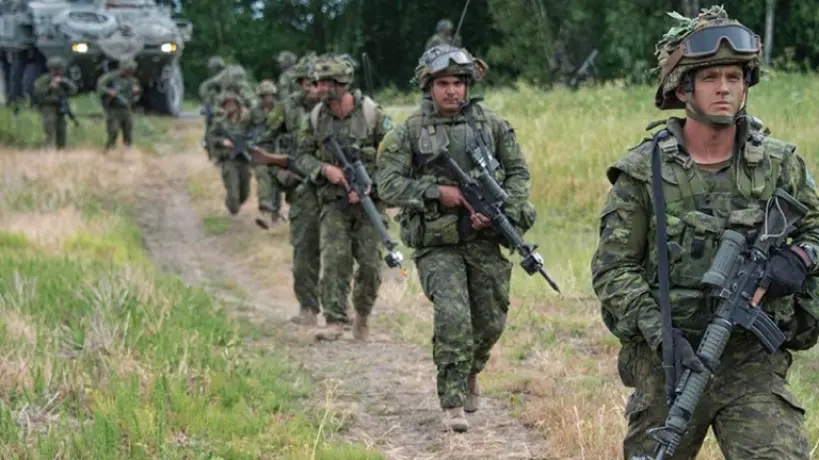
However, enthusiasm waned when considering mandatory military service. Here, only 43 percent supported the idea, while 44 percent opposed it and 12 percent remained uncertain.
Gender differences emerged notably in views on military service. Among men, more respondents supported than opposed mandatory military engagement; however, this was not the case among women. Females generally reported negative scores-more opposition than support-except for a slight positive response among those aged 60 or older.
When asked about their preference if Canada were to implement just one form of obligatory national service for youth, civilian options overwhelmingly prevailed over military ones. A significant 59 percent preferred non-military engagements compared to only 19 percent who chose military routes and 13 percent who favored neither option.
The perceived benefits of mandatory non-military service are notable; eighty-two percent believe such programs would foster personal growth among young adults-40 percent said it would greatly enhance development while another 42 felt it would somewhat contribute positively.
Enhancement in the quality of public services was acknowledged by seventy-one percent as another potential advantage. Additionally, sixty-nine percent envisaged improved social cohesion resulting from these initiatives.
As for compulsory military involvement's prospective benefits: Sixty-four percent agreed it could aid personal development; fifty-one believed it might elevate public service quality; while fifty-two saw potential improvements in societal unity through such measures. Nonetheless, between twenty-one and twenty-six percent feared declines in these areas due to enforced military duties.
This online survey sampled insights from approximately 1,619 Canadians affiliated with the Angus Reid Forum. Its results carry a margin of error close to plus or minus two percentage points within nineteen out of twenty instances.








Comments
Log in to write a comment