


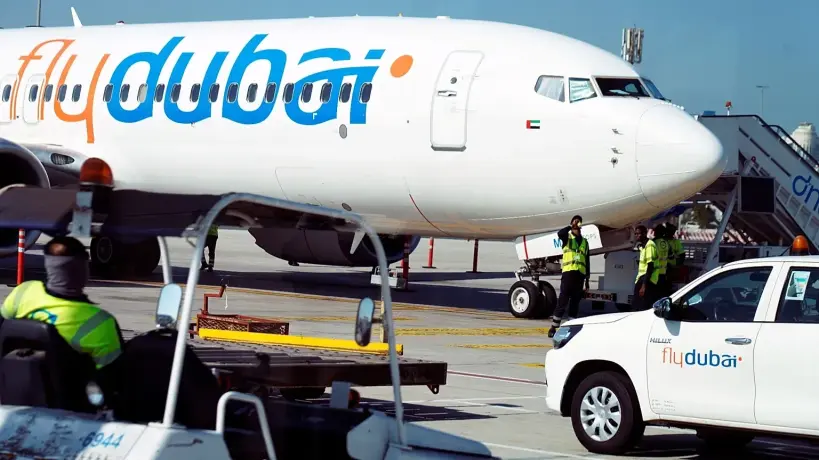
Revealed by global aviation safety analysts, the recent mid-flight emergency aboard Flydubai flight FZ1073 has triggered an urgent re-evaluation of international cockpit security protocols and crew mental health monitoring.
While federal prosecutors in Abu Dhabi conduct a comprehensive investigation into the incident, aviation experts around the world are turning their focus toward the systemic vulnerabilities within modern commercial aviation procedures.
In a related context, details surrounding the incident highlight a critical challenge: managing insider threats at 30,000 feet.
The flight captain's ability to maintain control of the aircraft while neutralizing a direct physical threat inside the cockpit prevented what could have been a catastrophic tragedy.
This remarkable display of airmanship underscores the vital importance of rigorous emergency response training for modern commercial pilots.
Furthermore, the incident has renewed intense debate over the psychological evaluation frameworks used by international air carriers.
Current global aviation regulations mandate regular medical and physical examinations for flight crews, yet comprehensive psychological assessments are often far less frequent.
Industry specialists argue that continuous mental wellness monitoring and peer-support programs must become mandatory components of airline safety management systems to detect early warning signs.
Analytically speaking, aviation regulators face a complex dilemma regarding cockpit access and emergency equipment placement.
While emergency axes and safety tools are strictly required in cockpits under international civil aviation guidelines to handle structural emergencies or fires, their presence creates an inherent risk if a crew member experiences a acute psychological crisis.
Regulatory bodies are now weighing potential design modifications and reinforced containment measures for onboard emergency equipment.
From an instructional and passenger awareness perspective, travelers can draw confidence from the multi-layered defense mechanisms built into modern commercial aviation.
The immediate containment of the situation aboard flight FZ1073 demonstrates that fail-safe protocols, robust captain authority, and advanced pilot training remain highly effective safeguards.
Passengers are advised to remain attentive during safety briefings, trust established flight crew procedures, and recognize that aviation security continues to adapt rapidly to unprecedented challenges.






Comments
Log in to write a comment