


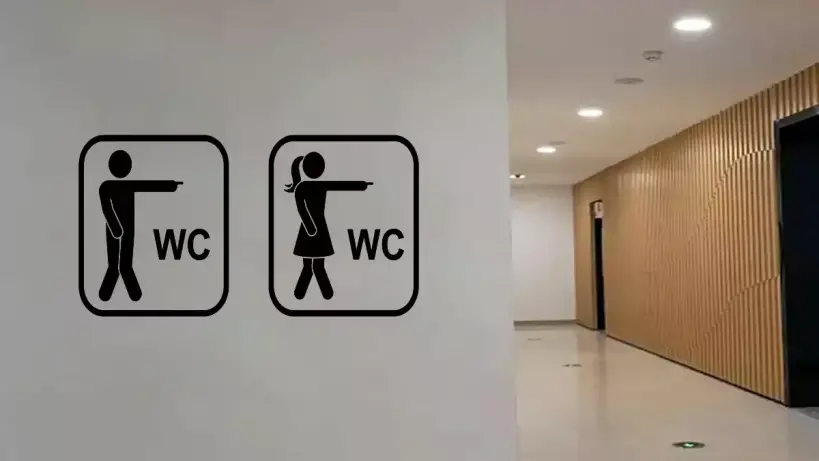
A proposed amendment to Australia's National Construction Code (NCC) has ignited a nationwide debate. The draft proposal suggests that up to 50% of toilets in new public buildings could be designated as gender-neutral, a move aimed at enhancing inclusivity but facing significant pushback over privacy and safety concerns.
The Scope of the Proposal
The draft regulations would apply to a wide range of new public infrastructure, including shopping centers, sports stadiums, and office complexes. Regulators argue that the shift is designed to meet the diverse needs of all users while maintaining a focus on prioritizing access for women through specific design considerations.
State Divide: NSW Leads, Tasmania Resists
The implementation of these updates is expected to begin as early as 2027 in certain states. New South Wales (NSW) is reportedly at the forefront of adopting these changes. In contrast, Tasmania has officially rejected the proposal for the time being, highlighting a growing geographical divide in how social inclusivity is integrated into public policy.
Public Outcry and Privacy Concerns
The move has faced sharp criticism from various advocacy groups and members of the public. Opponents argue that:
- Privacy & Safety: Many believe that ideological considerations are being placed above the fundamental safety and privacy of women and children.
- Regulatory Burden: Critics suggest that mandating such changes through building codes adds unnecessary complexity and costs to construction.
- Cultural Sensitivity: Experts have raised concerns that shared facilities may not respect the cultural or religious requirements of certain segments of the Australian population.
Public Sentiment: What the Polls Say
Recent surveys indicate widespread opposition to the mandate. A significant majority of participants—particularly women—have expressed a strong preference for maintaining separate male and female facilities, citing comfort, hygiene, and personal security as their primary reasons.
As Australia navigates this complex issue, the challenge remains: how to balance the push for modern inclusivity with the deeply held expectations of privacy in public spaces.





Comments
Log in to write a comment