

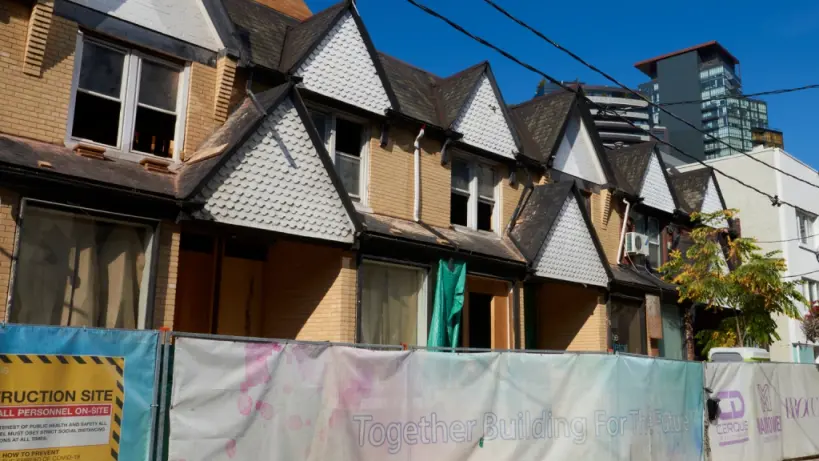
Canada faces worsening housing crisis as projections indicate reduced housing starts amid rising costs and slow infrastructure development.
OTTAWA - The housing crisis gripping Canada is projected to deepen before any signs of improvement become evident. Fresh forecasts reveal an expected decline in housing starts this year and the next, defying political pledges to enhance the nation's housing supply.
Projections from both governmental and private entities suggest a dip that contradicts efforts by various government levels aimed at expanding home availability nationwide. The Canada Mortgage and Housing Corporation (CMHC) anticipates approximately 237,800 new housing starts this year, with a further reduction predicted: down from 245,367 in 2024 to around 227,734 next year, reaching just 220,016 by 2027.
This anticipated output falls short of past years' figures, notably below the annual average of 267,000 seen between 2021 and 2022. It is significantly less than the annual target of adding 480,000 homes over the next decade that CMHC considers essential.
The decline in construction is particularly stark in British Columbia and Ontario. Despite these provinces hosting Vancouver and Toronto-cities notorious for sky-high real estate prices-housing starts have plunged eight and twenty-five percent respectively.
"Affordability remains a major issue and new construction is slowing," CMHC highlighted in its latest update on Canada's housing market.
Economists argue that increasing new builds would yield numerous advantages: it provides more living spaces for people, exerts downward pressure on property prices through increased supply, stimulates economic activity by generating jobs and encouraging purchases related to furnishing homes. Additionally, it would contribute revenue for local governments.
The urgency surrounding inadequate growth in Canada's housing stock isn’t only being voiced by CMHC. Former economic advisor Mike Moffatt criticized governmental inertia toward addressing what he deems a severe crisis: "Governments do not appear to be getting the message nor willing to take necessary steps."
During recent elections, all major political parties outlined plans promising more affordable housing-aimed at tackling rising homelessness across cities-but these intentions have yet to translate into tangible progress. Analysts suggest prolonged timelines often hinder developments; it can take years for land earmarked for construction to evolve into actual residences due partly because key infrastructures such as roads or utilities need installing first.
Compounding challenges include rising interest rates alongside increased unemployment levels along with escalating costs linked both labor-wise & material-wise - from steel & lumber prices through trades tensed amid uncertainty involving neighboring U.S., slowed population growth within market trends heavily reliant upon pre-sales shows notable drop-offs recently while issues securing buildable land persist constantly throughout many urban centers across Canada today.








Comments
Log in to write a comment