


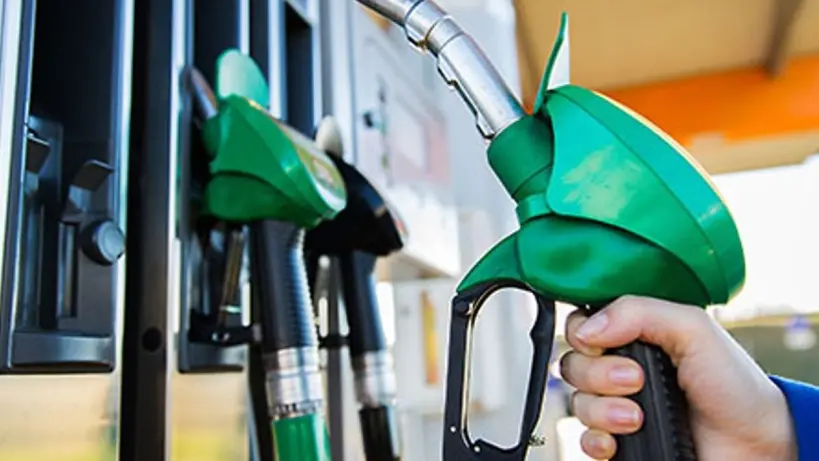
Australian motorists are facing unprecedented financial pressure as fuel pump prices continue their relentless upward surge across major urban centers and regional territories. Official data confirmed that household transportation budgets have stretched to critical limits, forcing drivers to rethink their vehicle choices. Automotive market experts revealed that shifting to economical, high-efficiency models represents the most direct countermeasure against mounting weekly fuel expenses.
Recent market intelligence highlighted that traditional heavy-consumption vehicles are rapidly losing appeal among budget-conscious commuters facing inflationary headwinds. Financial advisory bodies warned that maintaining inefficient cars can cost families thousands of dollars extra each year in avoidable fuel bills. Consequently, consumer demand has pivoted drastically toward compact hatchbacks, entry-level hybrids, and affordable electric models that guarantee optimal mileage.
Cheapest Cars to Buy in Australia
The primary entry point for drivers seeking immediate relief centers on highly affordable micro-hatchbacks and compact city runabouts. Leading retail industry reports confirmed that models like the Kia Picanto and MG 3 remain the nation's lowest-priced new vehicles, with drive-away pricing starting well below $25,000. These compact offerings provide an accessible sanctuary for first-time buyers, students, and urban commuters determined to bypass heavy initial debt.
Vehicle testing authorities emphasized that light petrol hatchbacks deliver exceptionally frugal fuel consumption figures during daily city driving cycles. Small four-cylinder powertrains engineered into modern compacts require significantly fewer liters per hundred kilometers compared to larger SUVs. Beyond lower purchase prices, these vehicles benefit from discounted registration brackets and minimal scheduled maintenance fees, multiplying total long-term savings.
Cheapest Cars to Buy in Australia
For motorists attempting to combine maximum fuel economy with long-distance reliability, hybrid technology has emerged as the definitive middle ground. Analysts verified that full-hybrid models—led by the Toyota Yaris Hybrid, Suzuki Swift Hybrid, and MG 3 Hybrid+—achieve extraordinary efficiency ratings, consuming as little as 3.3 to 3.8 liters of fuel per 100 kilometers. Over a standard five-year ownership period, these hybrid powertrains save drivers over $7,000 in fuel costs alone compared to conventional petrol engines.
Industry experts noted that while hybrid variants carry slightly higher upfront retail tags, their low total cost of ownership quickly offsets the initial outlay. Furthermore, leading Japanese and Chinese manufacturers currently offer capped-price servicing programs and extended multi-year warranties on hybrid batteries. This regulatory and commercial backing provides vehicle owners with predictable maintenance expenditures and strong long-term resale retention.
Cheapest Cars to Buy in Australia
The rapid expansion of budget electric vehicles (EVs) has introduced a permanent structural shift to the Australian automotive marketplace. Consumer advocacy groups highlighted that entry-level electric hatchbacks, such as the BYD Dolphin and MG4, are now accessible at price points competitive with premium internal combustion vehicles. By removing gasoline reliance entirely, EV owners who utilize off-peak home charging tariffs lower their annual running costs to a fraction of traditional fuel expenses.
Government transport departments across various states continue to support this transition by offering targeted registration concessions and stamp duty reductions for zero-emission models. Transport analysts caution, however, that prospective buyers must evaluate their daily driving range and charging accessibility before committing. When paired with residential solar setups, affordable electric vehicles represent the absolute minimum cost-per-kilometer option available on Australian roads today.
Ultimately, navigating current economic pressures requires Australian drivers to conduct comprehensive evaluations of total ownership expenses rather than focusing solely on initial showroom stickers. Automotive advisors urge consumers to factor insurance premiums, fixed servicing schedules, fuel efficiency ratings, and expected depreciation into their final purchase decisions to secure lasting financial stability.





Comments
Log in to write a comment