


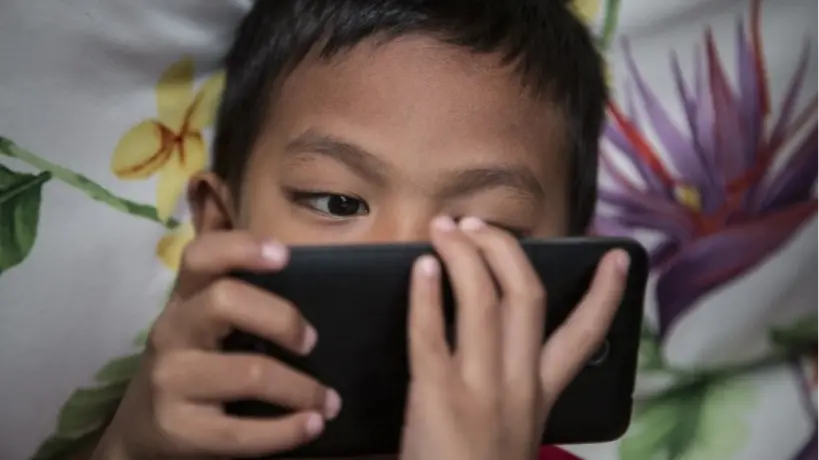
A recent study links excessive social media use in childhood to teen depression.
Study Links Early Social Media Use to Teen Depression
A recent study conducted by researchers from the University of California, San Francisco, has revealed a potential connection between excessive use of social media during early childhood and the emergence of depressive symptoms in adolescence.
The study analyzed data from over 11,000 American children aged between 9 and 12 over three years, aiming to determine whether depression drove children to spend more time on social media, or if the reverse was true.
Results indicated that children showing signs of depression at ages nine or ten were not more inclined to use these platforms later than their peers.
However, children who spent significant time on platforms such as TikTok and Instagram at ages 12 and 13 were found to be at a greater risk for developing depression in subsequent years.
Increased Usage with Age
According to the study, the average daily time children dedicate to social media increased from merely 7 minutes at age nine to over an hour in early adolescence. Researchers suggest that factors like cyberbullying and inadequate sleep may contribute significantly to the negative impacts of these platforms.
Previous studies have shown that children experiencing cyberbullying between the ages of 11 and 12 were 2.5 times more likely to attempt suicide within a year compared to their peers.
Encouraging Family Controls Over Bans
Dr. Jason Nagata, the lead researcher, stated: "As a parent, I understand that simply saying, 'put down your phone' doesn't effectively resolve the issue. However, parents can establish smart boundaries, such as designating screen-free times during meals or before bedtime, and fostering open discussions about digital usage."
Despite the warnings, researchers noted that social media platforms still serve as key communication tools for children, complicating the imposition of comprehensive restrictions on their use.
Skepticism from Experts
Conversely, some experts have expressed doubt regarding the strength of the correlation identified in the study. Professor Chris Ferguson, a psychology professor at Stetson University in Florida, remarked that "the magnitude of the detected effect is quite small and could merely be statistical noise."
The research team also acknowledged limitations in their findings, including reliance on children's self-reports of their digital behaviors and a lack of deep exploration into factors such as the types of devices used or timing of usage.








Comments
Log in to write a comment