

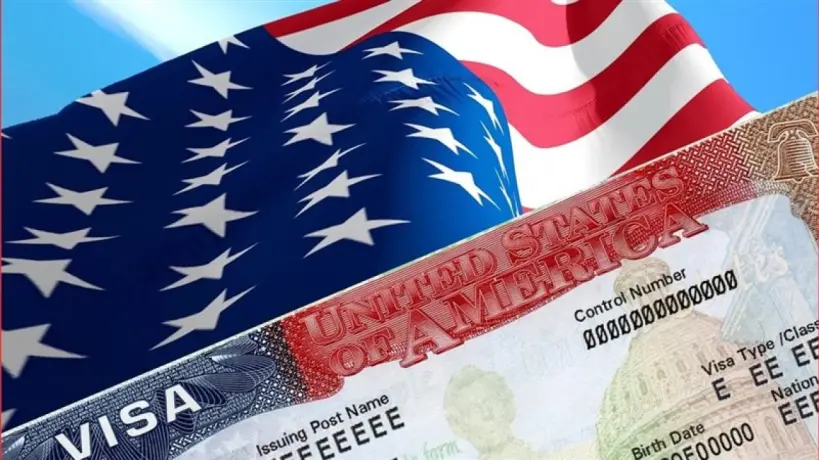
The US plans a pilot program requiring some visitors from high-risk countries to pay refundable bonds up to $15K.
The United States is set to initiate a contentious visa bond program starting August 20. This pilot project will require certain visitors from nations with high visa overstay rates to post refundable bonds of up to $15,000. The year-long trial seeks to curb visa violations by holding travelers financially accountable.
As detailed in a notice published in the Federal Register, this program targets non-immigrant B-1 and B-2 visa applicants-those traveling for business or tourism-from countries considered high-risk due to prevalent overstays or insufficient identity and security screenings. U.S. consular officials will determine bond amounts, which could be set at $5,000, $10,000, or the expected default of $10,000. Travelers who comply with their visa terms and leave the U.S. within the designated period will receive full refunds.
The initiative aims to assess how effective financial penalties are in ensuring adherence to immigration laws by evaluating the feasibility of managing these bonds," the notice explains.
Country Criteria and Exemptions
Nations will be chosen based on factors such as high overstay rates and deficiencies in screening processes. Issues linked with citizenship-by-investment schemes not requiring residency also play a role, along with broader foreign policy considerations. While countries within the Visa Waiver Program-including the UK, EU members, and Japan-are exempt from these requirements, specific targeted nations were not disclosed; instead, guidance is provided through internal channels of the Department of State’s Bureau of Consular Affairs.
However, drawing from historical data and existing U.S policies hints that nations like Chad, Eritrea, Haiti, Myanmar, Yemen could potentially be affected among others across Africa, Asia and Caribbean regions.
Part of Broader Immigration Measures
This pilot revisits an earlier attempt at imposing similar bonds introduced during Donald Trump’s first presidency term but halted amid pandemic disruptions. The current version aligns closely with Trump's resumed efforts surrounding tighter immigration controls following his electoral return. It comes amidst heightened scrutiny given visitor overstay numbers reportedly surpassing 500 thousand cases just last year alone according Department Homeland Security records reveal.
This introduction coincides alongside establishment new $250 'visa integrity fee' commencing October 2025 - legislated early July intended cover enforcement expenses refunded compliance established conditions observed applicants.
Concerns Over Travel Impact
While precise applicant numbers subject potential bonding remain speculative State Department clarification lacks detailing estimates anticipated US Travel Association forecasts program may impact around two thousand individuals mostly originating lower-travel volume territories globally speaking." If enacted comprehensive scale USA emerge bearing amongst highest international visitation charges worldwide,” association cautioned expressing worry legitimate tourism interests adversely hindered undue deterrence effect projected outcomes discussable proportion relative prior statistics comparably small significant contexts assessed future actions anticipated findings derived until August expiration eventually determining possible extension formal implementation process subsequent evaluations conducted thereafter indicated potentially proceeding onward planned continuance recommendations reviewed subsequently determined accordingly" concludes official report released respected national publication Akhbrna News offered insight ongoing development.








Comments
Log in to write a comment