


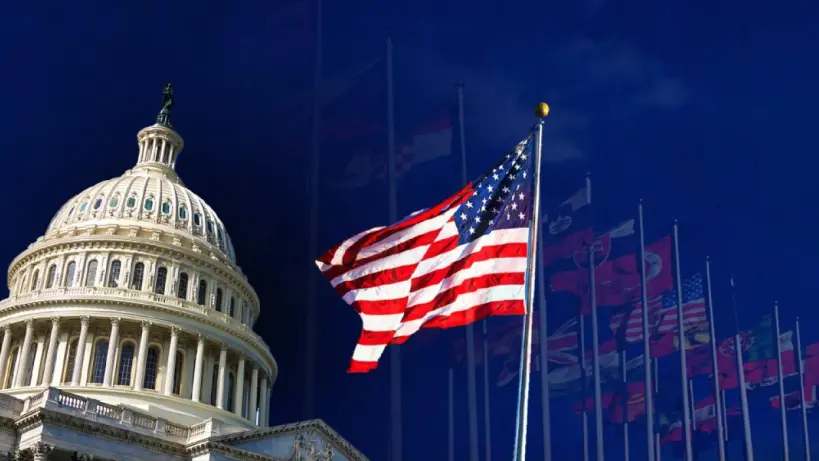
The United States is preparing a United Nations resolution aimed at deploying an international force in Gaza following recent conflicts. Secretary of State Marco Rubio highlighted collaboration with various entities and assured support for initiatives enhancing Palestinian lives independently from Hamas.
U.S. Secretary of State Marco Rubio announced that Washington is actively coordinating with various parties regarding the potential deployment of an international force in Gaza, which may be sanctioned through the United Nations. Speaking at the Civil-Military Coordination Center in Kiryat Gat, south of Tel Aviv, Rubio emphasized his nation's pride in the initial successes achieved under President Donald Trump's plan to halt hostilities in Gaza.
"We are collaborating with multiple international organizations and charitable associations to ensure aid reaches those who need it most in Gaza," stated Rubio. He highlighted ongoing efforts to establish an international force aimed at maintaining stability in the region, insisting there is no alternative to Trump's peace initiative and expressing commitment to its success. Furthermore, Rubio expressed a desire to aid Gazans in achieving a better life without Hamas's influence.
The proposed international force has yet to be formed; however, several countries have shown interest in participating. Rubio stressed that any security contingent must include nations with whom Israel feels comfortable cooperating. The U.S., he added, is laying groundwork conducive to the operational readiness of this force, potentially involving UN cooperation as needed.
Rubio also mentioned that more nations are poised to normalize ties with Israel, contingent on reaching a broader regional agreement. Meanwhile, a senior Israeli official disclosed that the U.S., working closely with Israel, is drafting a resolution for submission to the United Nations Security Council. This proposal aims to lay the foundation for creating an international security force tasked with stabilizing post-conflict Gaza.
This measure seeks global backing without imposing restrictive conditions on Israel or allowing direct Security Council intervention in managing Gaza's security situation. The official revealed intentions to maintain decision-making flexibility by ensuring any resolution remains general and non-binding.
Once presented, countries like France and Britain may attempt transforming this into a formal UN mandate by including elements contrary to Israeli preferences, such as altering the nature of operations or encompassing comprehensive governance provisions over Gaza within binding resolutions.
The senior Israeli figure reiterated desires for welcoming emergent political agreements while encouraging states' contributions towards peacekeeping deployments not defined under Chapter VII of the UN Charter – which authorizes military enforcement actions and grants extensive powers over conflict zones.
He clarified that although fundamentally American-driven, Israel will play a significant role during drafting phases characterized by extensive coordination between partners eager for expedited implementation amid regional pressures requiring internationally legitimated frameworks prior troop commitments from Arab allies initiating stabilization initiatives on credible bases alone."




Comments
Log in to write a comment