

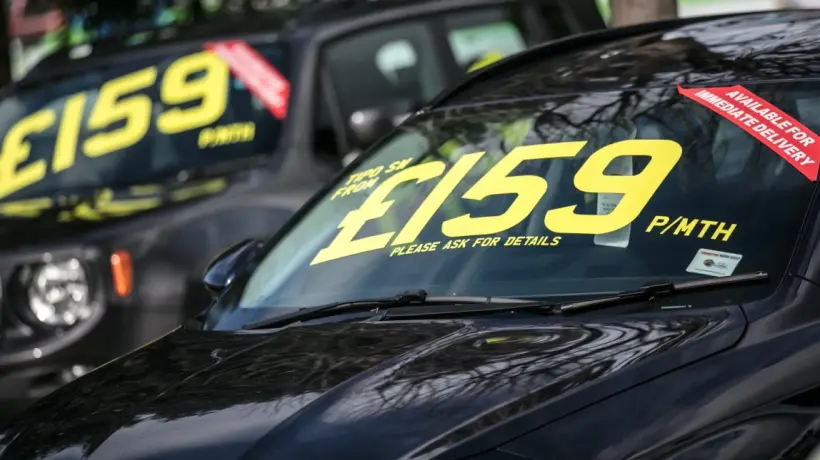
In a major setback for consumers, the UK Supreme Court has issued a partial ruling in the ongoing car finance commission scandal, shutting down the possibility of widespread compensation-except in the most serious cases.
The judgment, delivered by a panel led by Supreme Court President Lord Reed, upheld only one of three claims. The case of borrower Marcus Johnson was allowed to proceed, while two other cases-alleging that commissions paid to car dealers were effectively bribes and that dealers had a duty of loyalty to the borrower-were rejected.
The decision has dealt a blow to millions of consumers who were hoping for justice and financial redress, as well as to claims management companies preparing for a wave of compensation similar to the infamous payment protection insurance (PPI) scandal.
However, a glimmer of hope remains. The Financial Conduct Authority (FCA) is still considering a limited compensation scheme for consumers who were sold loans under “discretionary commission arrangements”-a now-banned model that allowed dealers to adjust interest rates for higher kickbacks.
The FCA had previously stated it would make a formal announcement within six weeks of the Supreme Court ruling, and many industry insiders still expect a centralized compensation program to be introduced for eligible consumers.
The case came to the Supreme Court after two major specialist lenders, Close Brothers and South Africa’s FirstRand, challenged a previous Court of Appeal ruling from October that sided with three consumers. That earlier decision suggested nearly all commission-based car loans-unless transparently disclosed and fully agreed upon-could be unlawful.
Lenders were alarmed by how far the ruling went beyond current FCA regulations, potentially opening the door to compensation claims from millions of car buyers in the UK. With around 80–90% of new cars and a growing number of used vehicles purchased through financing, the financial implications were enormous.
Estimates suggested that lenders-including Santander UK, Barclays, Lloyds, and Close Brothers-could face a combined bill of up to £44 billion, approaching the scale of the PPI scandal.
The Finance & Leasing Association (FLA), representing auto lenders, warned that such a financial hit could disrupt the entire car finance market, possibly forcing lenders to reduce their loan offerings, increase interest rates, or exit the market altogether.
There are also concerns that the court's decision could set a precedent for similar complaints involving hidden commissions in other sectors, such as consumer electronics and furniture financing.








Comments
Log in to write a comment