


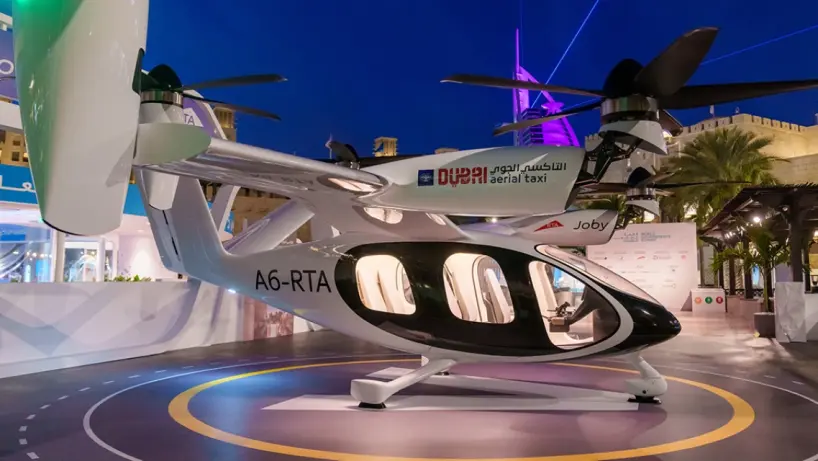
With the construction of its first commercial vertiport for flying taxis, known as the Dubai International Vertiport (DXV), the UAE is moving significantly toward transforming urban mobility.
Located close to Dubai International Airport (DXB), DXV is expected to be crucial for the air taxi system of the emirate, which is about to start operations in 2026, Approval of the technical design for this facility is a significant turning point in the nation's attempts to include flying taxis into its transportation network.
Under UAE Vertiport Regulations, the General Civil Aviation Authority (GCAA) approved the design of DXV on Thursday; this is the first facility to get such an endorsement, Crucially supporting future air mobility systems, these rules are a cornerstone of the nation's framework for safe and efficient implementation of vertiport infrastructure. The approval lets Skyports Infrastructure, the firm building the facility, to proceed with the following phases of building.
DXV is part of a larger scheme to establish an initial air taxi infrastructure network all around Dubai, not only a stand-alone initiative. Under joint development with Joby Aviation and Dubai's Roads and Transport Authority (RTA), it will be one of four vertiports. This project seeks to make air taxis a reality for Dubai's citizens and guests in not too distant future. The network of vertiports, including DXV, will enable the flawless takeoff, landing, and servicing of flying taxis, therefore relieving congestion and improving the effectiveness of transportation in the city.
For the UAE's air taxi initiative, which aims to transform urban mobility, design clearance of DXV is absolutely vital. The licensing process covered a thorough assessment of various important aspects, including the physical dimensions of the vertiport, airspace issues, and surroundings, Authorities also evaluated the facility's firefighting and rescue capacity, especially in connection to possible battery and conventional fuel burns. In collaboration with the GCAA, Skyports presented its plan of action to meet these obstacles thereby guaranteeing the safe running of the vertiport.
The director-general of the GCAA, Saif Mohammed Al Suwaidi, underlined the need of this permission in rethinking urban transportation. He underlined that the acceptance of the DXV Vertiport design will establish worldwide norms for including new aviation technology into metropolitan areas, Skyports CEO Duncan Walker also pointed out that the GCAA's involvement in creating important rules will enable scale air taxi operations all throughout the UAE and beyond, therefore opening the path for other nations to follow.
Covering 3,101 square meters, the DXV facility will have security cameras, electric charging stations, passenger facilities, and a dedicated takeoff and landing area, Key to Dubai's planned air taxi system, the vertiport will be able to manage up to 42,000 landings and 170,000 passengers yearly. DXV will be one of four strategic landing sites in Dubai as part of the initial phase of this service; the others are situated in Downtown Dubai, Dubai Marina, and Palm Jumeirah.
Once operational in early 2026, these vertiports will provide Dubai's citizens and visitors with a fresh way of mobility, therefore greatly enhancing travel accessibility and efficiency, The growth of DXV and other vertiports will not only change local transportation but also establish the UAE as a worldwide leader in aviation technology given the city's continuous dedication to innovation and emphasis on world-class safety criteria.





Comments
Log in to write a comment