


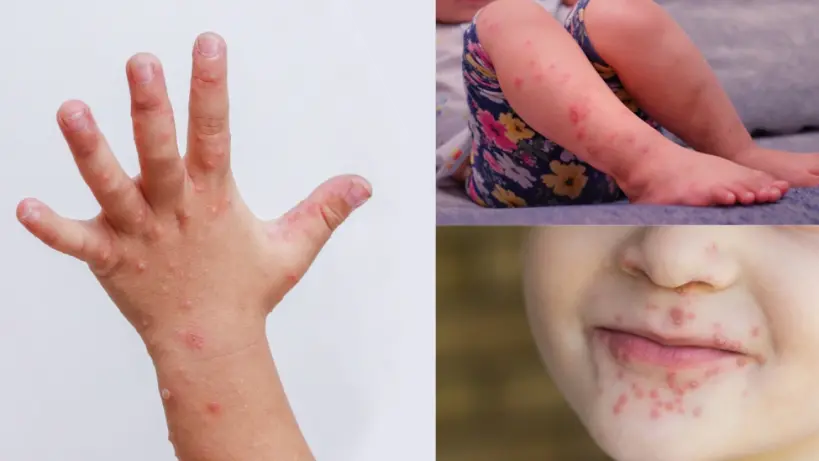
UAE medical experts are counseled parents-especially those with small children-to be alert for hand-foot-and- mouth disease (HFMD).
Rising Hand-Foot-and-Mouth Disease Cases
Doctors have lately recorded a clear surge in HFMD cases, which they attribute to the seasonal change from warm to cooler temperature. A unique rash, painful pink blisters, and other symptoms like high fever, joint pain, stomach cramps, nausea, vomiting, and diarrhea define this viral infection.
Often referred to as a "common childhood infection," HFMD quickly spreads in confined spaces like daycares and schools. Pediatrician Dr. Khaled Saad Eldine El Edlebi of Burjeel Medical Centre Al Marina said that HFMD cases usually start in the beginning of the school year and the cooler months when indoor events become more frequent. "The virus thrives in settings when children are in close contact, such classrooms and daycare facilities," he said. Though HFMD mostly affects children under ten, adults can also have the illness.
Dr. El Edlebi said that pediatric patients with HFMD symptoms have climbed by about 15–20% recently, indicating the start of peak viral infection season in children. Early identification is crucial, he underlined, in order to control symptoms, lower pain, and avoid complications.
Symptoms and Transmission
Rashes and blisters developing around the lips, on the palms, and on the soles of the feet define the classic symptoms of HFMD. Sometimes, especially in younger children, these rashes could extend to other places including the buttocks. Though other enteroviruses can sometimes cause HFMD, consultant pediatrician Dr. Rain Sim of Canadian Specialist Hospital Dubai claims that the Coxsackie virus is the most common cause of the illness. Dr. Sim also mentioned a related disorder called herpangina, in which similar rashes localize in the neck.
Usually lasting 7–10 days, HFMD is very contagious-especially in the first week of an infection. Saliva, respiratory droplets, even faeces help to transmit it. Dr. Sim cautioned that people remain contagious even when their outward symptoms-such as rashes or throat spots-resolve. Older children and adults can also unintentionally transmit the virus even without showing symptoms. She counseled parents on teaching their children simple hygienic habits such covering their nose and mouth while sneezing or coughing and not touching their faces after coming into touch with common surfaces.
Isolation and Hygiene
Stopping the HFMD from spreading depends mostly on keeping good hygiene. Two key ways to reduce transmission are regular cleaning of common areas like bathrooms and good hand washing. Expert pediatrician and neonatologist Dr. Mamata Bothra of International Modern Hospital Dubai underlined that early management can help reduce discomfort resulting from conditions including painful mouth sores. Parents should make sure kids remain hydrated, particularly if sores make swallowing difficult.
Dr. Bothra also recommended putting isolation policies in place to stop sick youngsters from passing the illness on others. Severe cases involving dehydration or neurological signs could call for quick medical attention and hospitalization to administer supportive treatment including intravenous fluids.
Control and Preventing HFMD
Though HFMD is usually mild, aggressive therapy is necessary to prevent complications and lessen its influence. Parents may significantly help to stop the disease from spreading by keeping hygiene, separating sick children, and getting quick medical attention when needed.
Healthcare experts advise families to remain educated, practice vigilance, and act pro-actively to guarantee the well-being of their children and communities as the UAE witnesses its seasonal increase in HFMD cases.








Comments
Log in to write a comment