


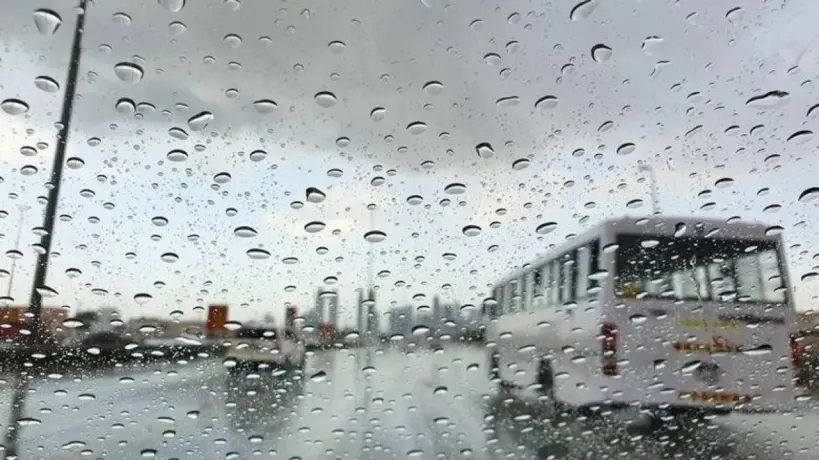
As authorities track the evolution of a tropical depression in the Arabian Sea, the UAE is getting ready for the likelihood of more rainfall in its eastern and southern areas.
Tracking the low-pressure system, the National Center of Meteorology (NCM) of the nation could help to predict coastal flooding and rough seas, Though the major consequences of the tropical depression are expected to stay indirect, the authorities are acting preemptively to guarantee the protection of people and residents.
The NCM's alert on the tropical depression followed a week of intense rain and floods in several areas of the United Arab Emirates. The National Emergency Crisis and Disasters Management Authority (NCEMA) responded by calling a conference with the Joint Assessment Team to assess the possible influence of the strong storms, The conference concentrated on improving readiness and making sure systems could handle any negative development, The authorities underlined the need of closely observing the course and tendencies of the meteorological system and organizing initiatives to reduce hazards.
According to preliminary research, the tropical depression would not directly affect the UAE, although the government is nevertheless alert. Should conditions deteriorate, they are ready to transmit safety instructions through official channels, Residents have been advised to follow safety guidelines as a precaution and keep informed by means of weather forecasts, The authorities are resolved to make sure the people is ready for every possibility.
Particularly in Fujairah and Ras Al Khaimah, recent UAE weather has been notable for frequent rain, hail, and floods in valleys, There have been reports of wadis overflowing and waterfalls tumbling down hillsides raising questions of more rainfall, The UAE's rainy "Al Wasmi" season, which runs from mid-October to early December, has been linked to these illnesses, This season represents the change to cooler temperature and the start of the winter in the area.
NCM has been watching a low-pressure system in the Arabian Sea that started close to India's western coast. October 14 and 15 should see it develop and head near the middle Arabian Sea. Although the system's direct effect on the UAE is predicted to be negligible, the nation's proximity to the area demands constant observation of any changes.
In view of the tropical depression, neighboring Oman is also exercising cautious. Along with other sub-committees in areas likely impacted by the extreme weather, including South Al Sharqiyah, Al Wusta, and Dhofar governorates, Oman's National Emergency Management Committee has turned on its National Emergency Management Center. The group is trying to make sure the nation is ready to handle any possible effects. Omani officials have advised citizens to follow government safety recommendations, remain informed via official sources, and exercise required care.
The Arabian Sea's tropical depression results from a notable change in weather patterns, Usually turning clockwise, wind patterns in the Arabian Sea deliver monsoon rains to India's west coast during the summer, But these winds are currently changing before turning anticlockwise, therefore indicating the end of the monsoon season. This change also marks the possible arrival of winter rains in areas including Somalia in the Horn of Africa.
In the UAE, especially in the eastern areas, the wet weather are predicted to linger for the next several days. Forecasts, however, indicate that by Tuesday these rains will start to fade. For this time of year, the rainy season's continuation is usual and fits the beginning of the cooler months ahead.
The UAE and surrounding Oman are acting broadly to mitigate any hazards the tropical depression presents, Authorities are nevertheless dedicated to guarantee public safety by means of aggressive planning, surveillance, and timely public information, To safeguard their homes and themselves, residents are urged to remain vigilant and follow all required safety measures.







Comments
Log in to write a comment