

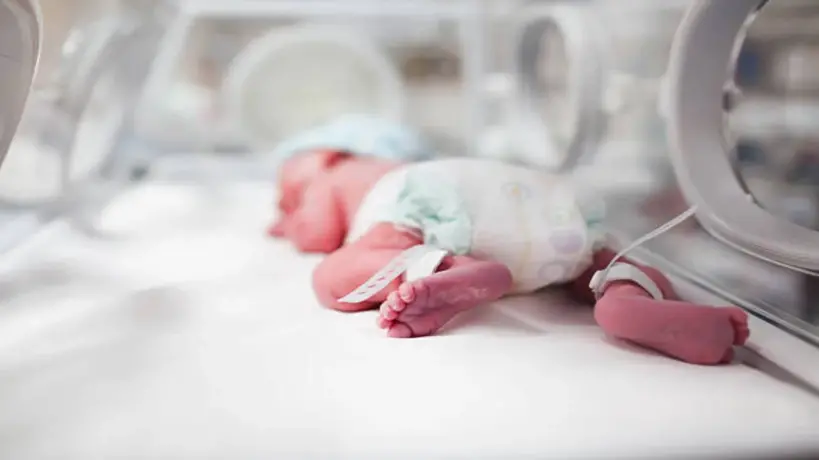
In relation to a significant health crisis resulting in at least 10 baby deaths, an Istanbul prosecutor has charged 47 people, including doctors and nurses, The indictment charges the suspects of using babies for profit by sending them to specific private hospitals where they underwent unsuitable or false medical care.
One of the most important scandals in Turkey's recent past, it has begged major questions on the integrity of the nation's medical system.
The accusation claims that the defendants created a criminal group aiming at infants, even though it was not required, and placed them in particular hospitals to undergo intensive treatment. The gang would then charge Turkey's social security office for treatments, some of which were either improper or altogether bogus. Following the inquiry, Turkey's Health Ministry closed nine private hospitals linked to the incident and discovered that nineteen other healthcare facilities shared liability for the misconduct.
Widespread indignation and political ramifications have resulted from the issue; the opposition CHP party demands a parliamentary investigation and the resignation of Health Minister Kemal Memisoglu. Memisoglu promised in reply that next hospital inspections would be carried "more strictly than ever."
Filed in an Istanbul court, the 1,399-page indictment provides specifics on the operations of the criminal cell. Notwithstanding their need, two of the suspects-who worked on an emergency phone line-actively sought out babies who could be sent to particular hospitals for intensive care treatment. Once housed in these facilities, the neonates started to suffer from inadequate treatment or medical negligence. Sometimes drugs meant for the newborns were sold to others, and several infants passed away from diseases they picked up in the hospital. According to the indictment, financial gain dominated the group's goals instead of patient wellness.
Among the charges leveled against the 47 individuals are organizing a criminal organization, fraud, official document falsification, and careless homicide. Should one is found guilty, some of the accused can be sentenced to up to 589 years in jail. Twenty-two of the defendants have been imprisoned already in preparation for trial. The organization refutes the allegations; some of the suspects two doctors and eleven nurses among them claim their treatments were required for the neonates' health and they had not purposefully guided them to specific facilities.
The seriousness of the matter is highlighted by the activities of the Health Ministry, which include closing facilities engaged in the scam, Alleged to be gross negligent, the private hospitals under investigation are blamed for the deaths of neonates under their custody. This affair has rocked the nation and resulted in demands for more control of private medical establishments.
The case also highlights more general problems in Turkey's healthcare system, especially in regard to private hospital regulation and control. The matter gets more complicated when government agencies like the social security department help to enable the bogus payments, This has begged issues regarding the degree of openness and responsibility inside the system as well as the policies meant to safeguard weaker patients, especially newborns.
Politically, the crisis has put great strain on the current government. Seizing on the matter, the opposition CHP party is advocating an official investigation and demands responsibility from highest officials, including the health minister. Their demand that Minister Memisoglu resign captures the mounting discontent with government management of the matter, Memisoglu has responded by underlining the need of more rigorous hospital inspections moving forward, even if some feel that more significant adjustments are required to stop similar events in the future.
In relation to a significant health crisis resulting in at least 10 baby deaths, an Istanbul prosecutor has charged 47 people, including doctors and nurses, The indictment charges the suspects of using babies for profit by sending them to specific private hospitals where they underwent unsuitable or false medical care. One of the most important scandals in Turkey's recent past, it has begged major questions on the integrity of the nation's medical system.
The accusation claims that the defendants created a criminal group aiming at infants, even though it was not required, and placed them in particular hospitals to undergo intensive treatment. The gang would then charge Turkey's social security office for treatments, some of which were either improper or altogether bogus. Following the inquiry, Turkey's Health Ministry closed nine private hospitals linked to the incident and discovered that nineteen other healthcare facilities shared liability for the misconduct. Widespread indignation and political ramifications have resulted from the issue; the opposition CHP party demands a parliamentary investigation and the resignation of Health Minister Kemal Memisoglu. Memisoglu promised in reply that next hospital inspections would be carried "more strictly than ever."
Filed in an Istanbul court, the 1,399-page indictment provides specifics on the operations of the criminal cell. Notwithstanding their need, two of the suspects-who worked on an emergency phone line-actively sought out babies who could be sent to particular hospitals for intensive care treatment. Once housed in these facilities, the neonates started to suffer from inadequate treatment or medical negligence. Sometimes drugs meant for the newborns were sold to others, and several infants passed away from diseases they picked up in the hospital. According to the indictment, financial gain dominated the group's goals instead of patient wellness.
Among the charges leveled against the 47 individuals are organizing a criminal organization, fraud, official document falsification, and careless homicide. Should one is found guilty, some of the accused can be sentenced to up to 589 years in jail. Twenty-two of the defendants have been imprisoned already in preparation for trial. The organization refutes the allegations; some of the suspects two doctors and eleven nurses among them claim their treatments were required for the neonates' health and they had not purposefully guided them to specific facilities.
The seriousness of the matter is highlighted by the activities of the Health Ministry, which include closing facilities engaged in the scam, Alleged to be gross negligent, the private hospitals under investigation are blamed for the deaths of neonates under their custody. This affair has rocked the nation and resulted in demands for more control of private medical establishments.
The case also highlights more general problems in Turkey's healthcare system, especially in regard to private hospital regulation and control. The matter gets more complicated when government agencies like the social security department help to enable the bogus payments, This has begged issues regarding the degree of openness and responsibility inside the system as well as the policies meant to safeguard weaker patients, especially newborns.
Politically, the crisis has put great strain on the current government. Seizing on the matter, the opposition CHP party is advocating an official investigation and demands responsibility from highest officials, including the health minister. Their demand that Minister Memisoglu resign captures the mounting discontent with government management of the matter, Memisoglu has responded by underlining the need of more rigorous hospital inspections moving forward, even if some feel that more significant adjustments are required to stop similar events in the future.
Both in Turkey and abroad, the result of this case will be under great observation as the trial runs, The incident has shown major problems with the nation's healthcare system, so the legal procedures will probably have a significant impact on the future management and responsibility of healthcare institutions, Along with the broader public, the relatives of the victims will be seeking justice and guarantees that such a catastrophe cannot be let to recur.







Comments
Log in to write a comment