


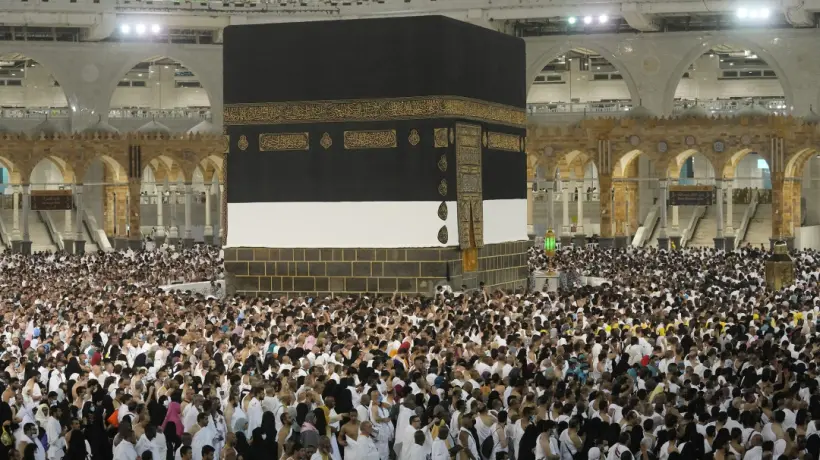
Saudi Arabia is preparing for Hajj this year in 2025. If you live in the UAE and are planning to perform Hajj this year, you should start preparing early to ensure a safe and spiritually fulfilling journey.
From ensuring you are up to date on the necessary vaccinations to following practical health guidelines for dealing with the heat and large crowds, proper preparation will help protect you and your fellow pilgrims.
The UAE Ministry of Health and Prevention (MOHAP) and the Emirates Health Services Authority (EMS) encourage pilgrims to familiarize themselves with basic vaccinations, pack essential supplies, and take necessary precautions throughout their journey.
In this article, we will explain the required vaccinations, what to bring, and how to stay healthy during Hajj.
Essential Vaccinations and Health Precautions for Hajj Travelers
You should complete the specified vaccinations well in advance of your trip. These vaccinations help prevent infectious diseases, ensuring a safe and healthy journey.
Important Vaccinations to Take Before Traveling for Hajj
All Hajj vaccinations must be administered at least ten days before travel. This enables the body to build the necessary immunity against specific diseases.
When should you get vaccinated?
Vaccinations must be administered at least ten days before travel to achieve optimal immunity and protection. Ensure vaccinations are recorded on your international vaccination card, available at authorized health centers.
Where can you get vaccinated?
In the UAE, both government health facilities and private hospitals or clinics offer the necessary vaccinations for Hajj, Umrah, and other destinations where vaccination is required.
Travelers should schedule an appointment at least one month before their trip to allow sufficient time for vaccinations and preventive measures to take effect.
Preparing for Hajj
To ensure a safe and smooth Hajj journey, please consider these important preparation tips:
- Get all necessary vaccinations at least 15 days before departure.
- Pack essential personal care items such as towels, toothbrushes, toothpaste, and toiletries.
- See a doctor at least a month before your trip to check your health and assess any potential risks. Carry prescribed medications with you. If you suffer from a chronic illness, bring enough medication for an additional three days after your expected return date.
Health and Safety During Hajj
- Wash your hands frequently.
- Avoid sharing personal items such as towels and cutlery.
- Maintain personal hygiene to avoid the risk of infection.
- Seek medical care if you feel sick or experience any symptoms.
- Stay hydrated by drinking plenty of water.
- Wear light, loose-fitting clothing.
- Use sunscreen with an SPF of 30 or higher and avoid prolonged sun exposure.
- Rest often in shaded or air-conditioned areas.
Additional Precautions
- Eat only fully cooked meals and avoid raw or undercooked foods.
- Drink bottled or sterilized water.
- To maintain energy levels, eat a balanced diet that includes fresh fruits.
- Wear comfortable, well-fitting shoes. Wash and dry your feet daily to avoid infection.
- Check your feet regularly for blisters or injuries, and rest as needed.
- Avoid close contact with sick people.
- Cover your mouth and nose when sneezing or coughing.
- Shaving and haircutting equipment should be clean and sterilized.
Dealing with Fatigue During Hajj
Many pilgrims suffer from heat exhaustion or heatstroke as a result of standing or walking in high temperatures for extended periods.
Symptoms include:
- Headache
- Dizziness or lightheadedness
- Red, dry skin
- Muscle fatigue
- Nausea or vomiting
- Rapid heartbeat (tachycardia)
- Difficulty swallowing and breathing
- Loss of consciousness
How to prevent fatigue and heat exhaustion:
- Avoid direct sun exposure.
- Use a lighter-colored umbrella.
- Drink plenty of fluids to replenish lost water.
- Rest in cooler, shady places.
- Get enough sleep.
- Don't rush through the rituals; pace your steps to avoid fatigue.
Hajj First Aid Kit
Always keep a first aid kit handy, especially before the Day of Sacrifice, in case of an emergency. Your kit should contain:
- Cold and fever medications.
- Antiseptics, fever reducers, and pain relievers.
- Medications for headaches and muscle spasms.
- Ointments for insect bites, cuts, and sunburn.
- Allergy medications.
- Masks.
- Medical tape.
- A thermometer, blood pressure monitor, and blood glucose meter.





Comments
Log in to write a comment