


India has had a lot of bomb threats this year in many different spheres, including airports, railroads, colleges, and businesses.
Many of these threats have turned out to be hoaxes, even while they have generated great anxiety and spurred significant security reactions. These events have caused increased awareness among authorities trying to find the offenders and guarantee public safety.
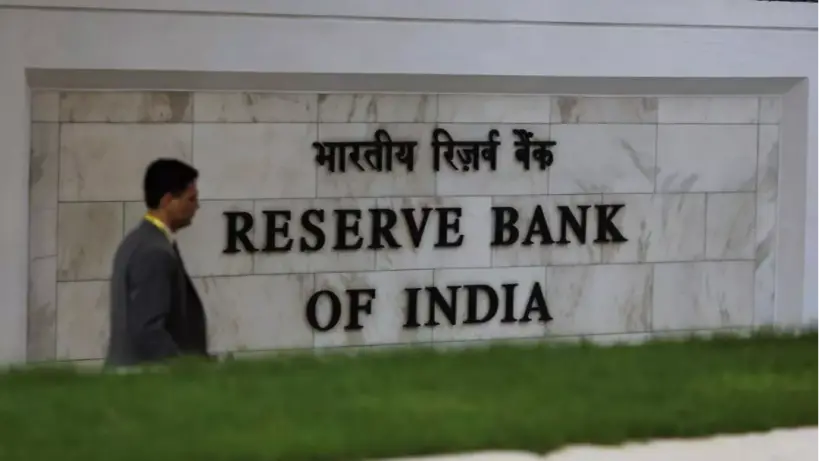
One of the most recent bomb threats concerned the Reserve Bank of India (RBI) in Mumbai, which got an email in Russian alerting of an explosive strike. The email reached Sanjay Malhotra, the newly appointed RBI Governor at his official address. Mumbai cops started investigating right away after the threat. One senior Mumbai police officer verified that the Mata Ramabai Marg (MRA Marg) police station had registered a complaint. Though no suspects have been found thus far, the police are working on the case diligently.
The authorities have reassured the people in response to the warning that all required actions are being done to probe the issue completely. Police are looking for the source of the email and the person or group behind the threat as of yet; the inquiry is still under progress. This episode fits a bigger trend of comparable threats afflicting several areas of India this year.
Six well-known Delhi schools got bomb threats via email in another instance that same day, which heightened questions regarding the security of educational institutions, Targeting schools included Bhatnagar Public School in Paschim Vihar, Cambridge School in Srinivaspiri, Delhi Public School in East of Kailash, Delhi Public School in Defence Colony, Delhi Police Public School in Safdarjung Enclave, Venkatesh Public School in Rohini. The Delhi Fire Brigade and local police personnel started their security procedures and conducted extensive searches of the premises right once after getting the threats.
The authorities made no effort to overlook in guaranteeing the staff and student safety. Though the matter is urgent, following close inspection none of the schools revealed any suspicious objects, Following the searches, the all-clear was granted and it was verified once more that the bomb threats were, once more, false alarms.
Although the hazards this year have mostly been hoaxes, they nonetheless have grave effects. These events not only induce worry and anxiety but also tie up vital police and emergency services resources, so distorting them from other crucial activities. Furthermore, they unnecessarily interrupt public daily life, particularly in cases where businesses and schools have to stop operations while security inspections are under progress. Certain times, these false alarms also cause great stress for the affected communities-especially parents, children, and employees who have to deal with the uncertainty and tension the threats produce.
The numerous bomb threats across India this year draw attention to a growing trend of hoaxes seemingly meant to create maximum disturbance and worry, While authorities have been looking at the origins of these threats, it is still difficult to find the people behind creating these hoaxes. While some offenders have been found thanks to police inquiries, many remain elusive, using anonymous emails or other ways of escape from discovery.
Law enforcement authorities have underlined the need of keeping increased awareness and being ready to react to such threats considering the frequency of these events, They have also warned the public, nevertheless, that fake bomb threats are a major offense covered by Indian law, Those found creating hoaxes risk harsh legal repercussions including fines and jail time.






Comments
Log in to write a comment