


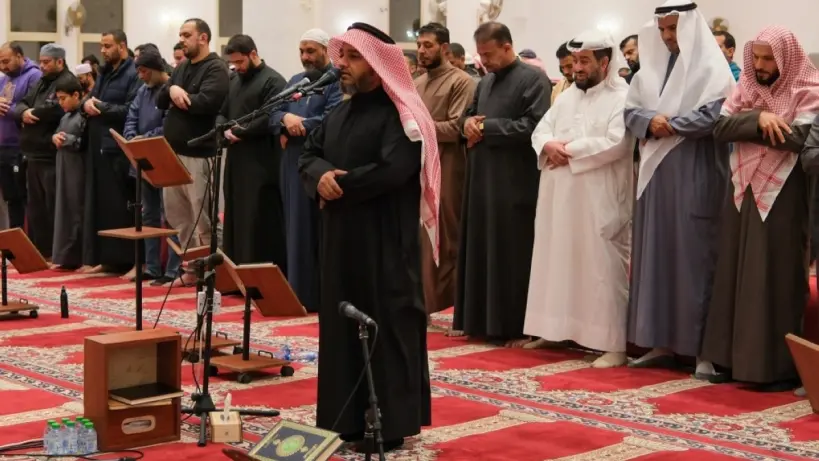
After a week of quiet nights, the mosques of Kuwait are once again alive with the sounds of Taraweeh and Qiyam prayers. The Ministry of Awqaf and Islamic Affairs has announced that these special Ramadan prayers, suspended due to regional turmoil, have resumed across the nation.
The decision to reinstate the prayers follows a challenging period of unrest. Just last week, Kuwait halted these nighttime rituals in response to attacks linked to the ongoing conflict involving Iran. However, the ministry has confirmed that while prayers are back, the usual Ramadan centers and visiting reciters remain on pause for now.
Prayer Timings and Adjustments
For those attending, the ministry has laid out specific guidelines. Taraweeh prayers are to last no more than 20 minutes, with Qiyam prayers extending to 30 minutes. This approach aims to balance spiritual practice with current security concerns.
Ramadan centers, often bustling with activities and renowned reciters, play a significant role in the spiritual life of Kuwaiti Muslims during this holy month. Usually, these centers invite prominent figures from both within and outside the country to lead and enhance the worship experience.
Background of the Suspension
The suspension of Taraweeh and Qiyam prayers began on February 28, a direct consequence of the broader geopolitical conflict. The outbreak of hostilities, particularly the US-Israeli confrontation with Iran, prompted swift preventive measures. Kuwaiti authorities limited mosque activities to the five daily prayers, prioritizing safety amid the heightened tensions.
The Iranian attacks have had severe repercussions. Hundreds of casualties have been reported in Iran, including high-profile figures such as Supreme Leader Ali Khamenei. The series of retaliatory strikes by Tehran targeted multiple countries, including Israel, Gulf states, Jordan, and Iraq. These attacks, causing both human and infrastructural damage, have met with widespread condemnation from the affected Arab nations.
Iran's Stance and Regional Reactions
In light of these developments, Iranian President Masoud Pezeshkian has stated that Iran will cease its aggressive actions against neighboring states unless provoked from their territories. This declaration comes as a part of efforts to de-escalate the situation, though the region remains on edge.
As the situation evolves, the resumption of Taraweeh prayers in Kuwait serves as a beacon of resilience and faith amidst uncertainty. Worshippers are encouraged to remain vigilant and adhere to the guidelines set by the ministry to ensure their safety during this sacred period.







Comments
Log in to write a comment