


Dubai has always been known for its creative ideas and visionary urban design; the emirate's most recent endeavor, "Dubai Walk," supports this standing.
Building on its past initiatives to make Dubai a bike-friendly city, the government has unveiled a bold 3,300 km integrated walking network proposal. This initiative seeks to make Dubai an example of pedestrian accessibility and sustainability by providing a complete network of paths combining historical preservation with contemporary innovation.
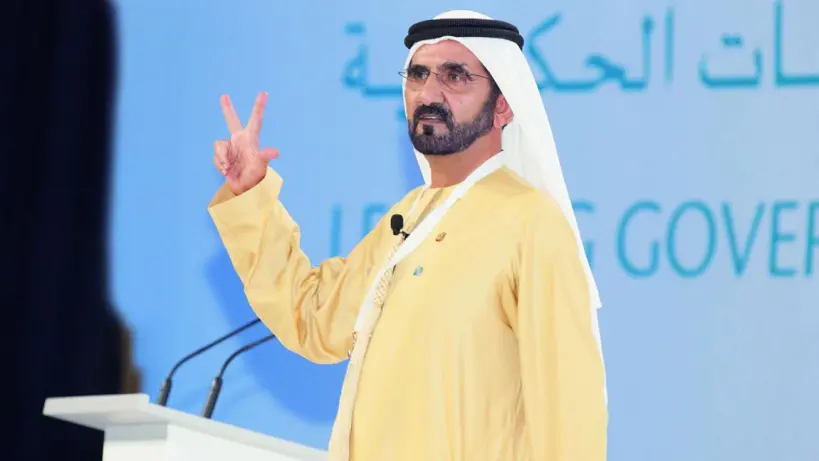
Sheikh Mohammed bin Rashid Al Maktoum, UAE Vice-President and Prime Minister as well as Dubai Ruler, made the announcement on Saturday, December 7, Sheikh Mohammed revealed specifics of the large-scale project aiming to rethink urban transportation and promote a better, more active lifestyle among inhabitants and guests. Designed to establish pedestrian-friendly areas around the emirate, the Dubai Walk initiative will start in two famous sites: Al Ras and the Museum of the Future. Representing the city's dedication to both modernity and legacy, these sites will form the base for the vast network.
The paths leading around the Museum of the Future will reflect Dubai's forward-looking perspective. Key landmarks include the Dubai World Trade Centre, Emirates Towers, Dubai International Financial Centre, and metro stations will be connected by this section, which will have a 2-kilometer-long, climate-regulated bridge, open leisure areas and commercial sections. Linking key centers, this futuristic route will give some of Dubai's most important economic and cultural areas easy pedestrian access.
By contrast, Al Ras's trail will draw attention to Dubai's rich historical and cultural legacy. Covering 15 kilometers, this path will change waterfronts and old neighborhoods with green parks, public exhibits, and leisure venues. It is meant to provide pedestrians with an immersive experience honoring Dubai's past while nevertheless honoring its dedication to environmental sustainability, These two sites together highlight the dual character of the Dubai Walk project: one unified concept linking the past and the future.
The initiative spans more than just these starting routes. It will grow throughout the emirate in three parts over time, finally spanning 160 neighborhoods. First phase will give Al Barsha 2, Al Khawaneej 2, and Al Mizhar 1 top priority among heavily populated areas. The second and third phases will concentrate on spreading the network to famous tourist sites, metropolitan areas, and homes. The project hopes to create 6,500 kilometers of linked paths by 2040. Of this, 2,300 kilometers of already-existing paths will be restored and 3,300 kilometers will be freshly developed, After 2040, another 900 kilometers will be developed to form a vast network changing mobility in Dubai.
Along with the infrastructure plan are 110 pedestrian bridges and tunnels, 112 kilometers of shoreline walks, 124 kilometers of green walking paths, and 150 kilometers of rural and hilly pedestrian paths. These changes seek to make walking a practical and fun choice for guests as well as for residents all year long. To increase connectivity, three main bridges-one on Al Ittihad Street connecting Al Nahda and Al Mamzar, another on Tripoli Street connecting Al Warqa and Mirdif, and a third on Dubai-Al Ain Road between Dubai Silicon Oasis and Dubailand.
The government will launch a smart software tracking users' walking paths, steps, and length in order to inspire walking by rewarding the action. Walking earns points for users that may be kept as e-wallet credits or redeemed for discounts. The app will also let users know about surrounding attractions, activities, and art exhibits, therefore augmenting their walking experience with interaction.
The Dubai Walk initiative is closely in line with the 20-minute city plan of the emirate, a vision for 2040 whereby citizens will be able to reach destinations and necessary services within 20 minutes by foot or bicycle, This project enhances Dubai's more general initiatives toward sustainability, health, and quality of life, The initiative, as Sheikh Mohammed bin Rashid Al Maktoum clarified, shows a dedication to create a city where people may enjoy "the best, happiest, most comfortable, healthy, and balanced lives."
By means of this huge project, Dubai is rethinking urban mobility and presenting a vision of a pedestrian-friendly city that combines modern infrastructure with a great regard for its cultural background. Dubai Walk guarantees a future where innovation and sustainability coexist as the emirate keeps setting global standards in urban development.



Comments
Log in to write a comment