


The Saudi Public Health Authority, known as Weqaya has issued a set of guidelines aimed at preventing the spread of the human metapneumovirus (HMPV), a common respiratory virus.
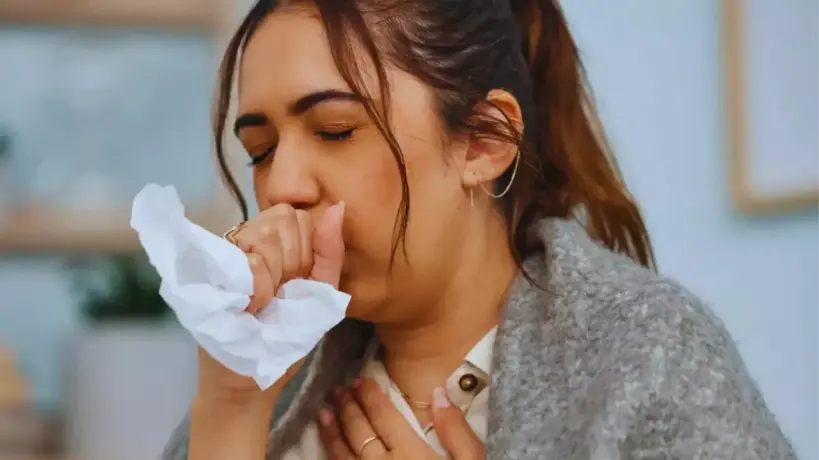
This virus which is known to circulate frequently, shares many symptoms with a typical cold, including coughing, fever, runny nose and sore throat, As such, it is often difficult to distinguish from other viral infections without further medical examination.
According to Weqaya, coughing or sneezing generates respiratory droplets that mostly transmit HMPV. The virus can also be spread by coming into touch with contaminated surfaces. This emphasizes the need of good hygienic habits including frequent hand washing and avoiding direct interaction with sick people. The recommendations of the authority center on encouraging these basic but powerful preventative actions to stop virus spread.
The Public Health Authority has underlined that some groups of people are more likely to have severe problems even although most cases of HMPV are mild and mirror the symptoms of a normal cold. These populations comprise the elderly, small children, and those with compromised immune systems. The virus can cause more severe health problems in these sensitive groups, including bronchitis, pneumonia, or other respiratory diseases, which calls for more thorough medical attention.
The advice of Weqaya motivates the people to keep fundamental hygienic practices in order to stop infection, Among these steps, people are advised to routinely wash their hands with soap and water, especially following coughing, sneezing, or contact with surfaces likely to be contaminated. To further lower the chance of infecting others, cover the mouth and nose when coughing or sneezing either with a tissue or the elbow. Apart from stopping HMPV, these steps help to stop the spread of other respiratory viruses.
Although most people will only have minor symptoms, the authorities emphasizes the need of acting preventatively to stop the virus from spreading. For people in higher risk categories, these recommendations are even more important since the possible for more severe health repercussions calls for them. If symptoms get worse or if those in high-risk groups have trouble breathing, chest discomfort, or other indicators of more severe respiratory illness, Weqaya also advised seeing a doctor.
Particularly in susceptible groups, human metapneumovirus (HMPV) is a major contributor to respiratory infections. It is a member of a group of viruses that produce flu-like or common cold-like diseases, but in sensitive people it could cause more severe complications, People with compromised immune systems, such those undergoing cancer treatment or those living with chronic diseases, are more likely, for instance, to have more severe virus complications. Likewise, extremely young children and the elderly-whose immune systems might not be as strong-are more likely to have severe respiratory problems.
Affecting the respiratory tract, the virus can cause mild to severe symptoms. Although the virus often results in nothing more than a cold, for the more vulnerable segments of the population it might cause diseases like bronchitis or pneumonia, which might call for hospitalization and long-term treatment, Therefore, public health initiatives aiming at lower the prevalence of more severe respiratory diseases in the population depend critically on the policies of Weqaya.







Comments
Log in to write a comment