


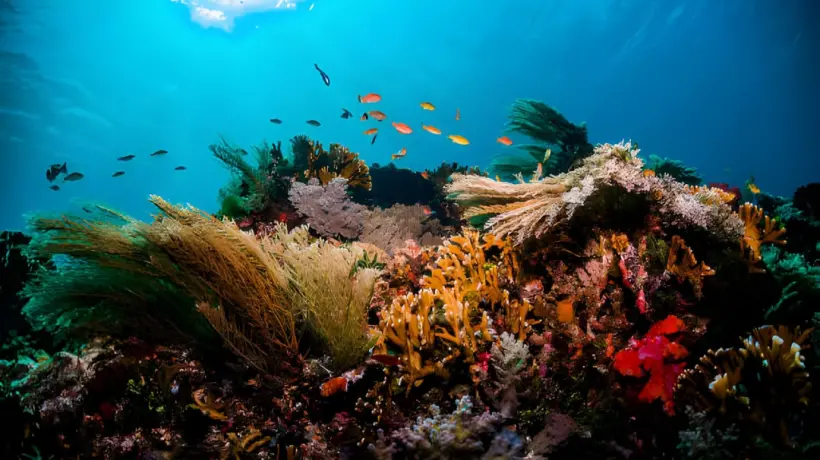
Saudi Arabia has issued a strong warning against individuals and businesses that meddle with the maritime environment and water bodies, Emphasizing that such crimes will be punished with severe punishments including jail and significant fines, With fines as high as SR30 million and punishments spanning up to 10 years in prison, the recently adopted Environment Law lays severe penalties for individuals who compromise the marine ecosystems of the nation.
This legislation is a feature of Saudi Arabia's larger initiatives to guarantee the sustainable use of its marine resources including oceans, seas, and water systems while so safeguarding them.
The law is meant to handle several kinds of environmental damage, especially pollution resulting from rubbish thrown into water sources and dangerous substances, Water quality, marine habitats, and animals can all suffer greatly from these contaminants, Depending on the seriousness of the violation and the degree of damage done, offenders personal or business may be subject to pecuniary fines ranging from SR1 million to SR30 million per legislation. The Saudi government's emphasis on both personal and business responsibility emphasizes the Kingdom's dedication to environmental preservation as well as its rising understanding of the need of conserving its natural resources.
Renowned environmentalists have hailed the new rule as a significant advancement toward Saudi Arabia's environmental objectives, Founders of the Environment and Combating Desertification Association and the Weather and Climate Society, Walid Alnajem sees the implementation of these fines as a turning point in increasing environmental consciousness all throughout the country.
Alnajem noted that preserving the sea environment falls not only on a national but also a worldwide obligation. Dealing with more general environmental issues including climate change and biodiversity loss depends on the preservation of marine life and habitats. Strict sanctions must be used, he said, in order to discourage ongoing infractions and promote environmental responsibility in society.
As lawyer Salman Al-Ramali underlined-who noted that the fines discourage anyone contemplating damage to the marine environment-the law also has great legal support. Al-Ramali emphasizes that people and businesses should be thoroughly informed of the legal repercussions of environmental crimes since the law reflects the seriousness with which Saudi Arabia is facing environmental hazards. Saudi Arabia is showing its will to create a more sustainable future by imposing these strict policies and so opposing environmental damage.
These acts coincide with a period when environmental damage and global worries about climate change are growingly urgent, Particularly marine habitats are under growing danger from pollution, exploitation, and rising ocean temperatures, In response Saudi Arabia's new law aims to solve these issues by implementing fines that deter bad behaviors and advance the preservation of natural resources. As both a deterrent and a form of punishment, fines and jail terms guarantee that environmental offenders are held responsible and that next transgressions are discouraged.
Furthermore, the fines are a component of a more overall plan to safeguard Saudi Arabia's natural resources so they would be accessible for next generations, Aiming to reconcile economic expansion with environmental preservation, the law emphasizes the need of sustainable development, This strategy is consistent with Saudi Arabia's Vision 2030 project, which emphasizes environmental sustainability as a fundamental component of the long-term development aspirations of the nation.
Saudi Arabia's new Environment Law is a strong legal framework meant to guard water bodies and marine environment from destructive activities, Strict penalties, including up to 10 years in prison and fines of up to SR30 million, help the law to clearly convey the need of environmental protection. Both people and companies answer for their deeds, therefore underlining the Kingdom's will to safeguard its natural resources and guarantees a sustainable future.








Comments
Log in to write a comment