


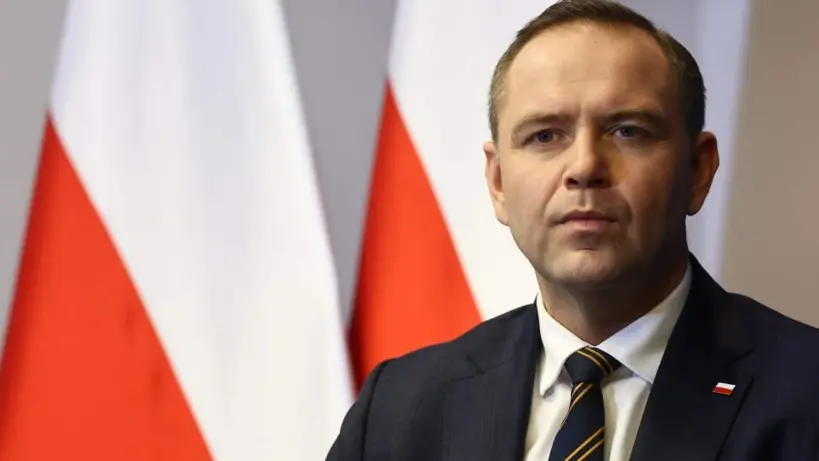
In a significant move to support families and invigorate economic activity, Poland's president has enacted a law establishing zero personal income tax (PIT) for parents with at least two children.
This legislative reform targets boosting household income and promoting professional engagement by relieving tax burdens.
The law, introduced by Karol Nawrocki in August, exempts families from paying income tax on earnings up to 140,000 zloty (€32,973) annually.
It is applicable to all individuals with parental responsibilities, including legal guardians and foster parents.
Official estimates suggest that the average Polish family could see an improvement of about 1,000 zloty (€235) in their monthly disposable income due to this tax break.
The tangible effects of these regulations will be reflected in the 2026 tax returns, filed in 2027.
This reform aims not only to ease financial pressure on families but also to enhance consumer spending and encourage greater workforce participation.
Zero PIT for families formed a cornerstone of Nawrocki's presidential platform, which he outlined as early as March in his "Contract with the Poles."
Following his electoral success in June, he promptly fulfilled this promise by signing the bill on August 8 before forwarding it to Poland’s parliament.
The zero PIT initiative is part of a broader "tax armour" strategy that includes reducing VAT from 23% to 22%, eliminating capital gains tax, and instituting quota-based pension indexation.
Despite assurances from the president's office that the program will be funded by tightening the existing tax regime to generate approximately 14 billion zloty (€3 billion), financial experts express skepticism about achieving such figures purely through these means.
There are concerns regarding who will benefit most from these changes. Piotr Juszczyk, chief tax adviser at inFakt, indicates that lower-income families will see minimal gains since they already pay little or no income tax.
Conversely, wealthier families stand to benefit significantly; for instance, those earning 7,000 zloty (€1,648) monthly might save around 395 zloty (€93), while those with a monthly income of 12,000 zloty (€2,826) could save up to 913 zloty (€215).
Meanwhile, households at the lowest income levels may only save around 75 zloty (€17), with no change for incomes below the tax-free threshold.
Public consultations on this draft law were conducted on September 11 with participation from 476 individuals-71% men and 29% women.
Results showed strong public support for this initiative: approximately 76% endorsed its necessity while only a minority of 16% opposed it outright.
Additionally, two-thirds positively viewed the economic assessment associated with implementing zero PIT for families with two or more children; however, between 10-11% expressed dissenting opinions.








Comments
Log in to write a comment