


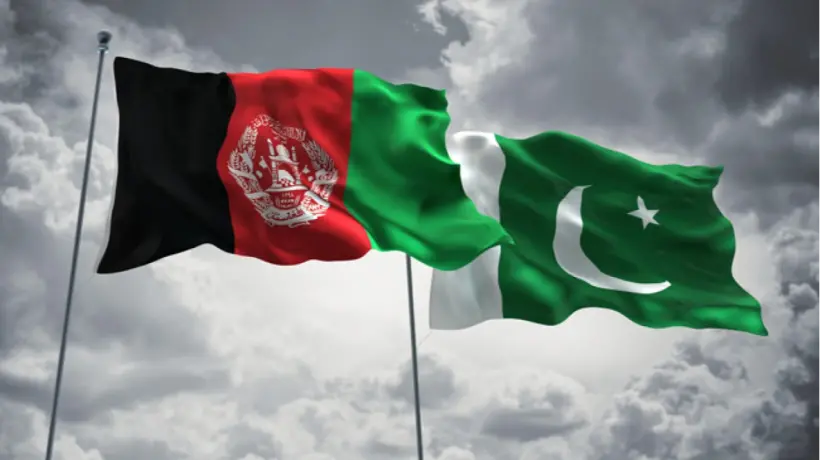
Pakistan-Afghanistan peace talks concluded unsuccessfully amid growing tensions at their shared border.
The anticipated peace talks between Pakistan and Afghanistan concluded without reaching an agreement, according to officials on Saturday. Both nations have been embroiled in blame over the breakdown of negotiations intended to defuse escalating border tensions and maintain a delicate ceasefire.
This recent round of discussions, held over two days in Istanbul and mediated by Turkey and Qatar, was the third diplomatic effort since the Taliban's ascension to power in 2021. The meetings were viewed as a crucial attempt to curb ongoing violence.
The talks hit an impasse late Friday, described by officials as lacking "tangible progress." Afghan government spokesperson Zabiullah Mujahid accused Pakistan of presenting "unreasonable" demands, stating that discussions "could not proceed" and had reached an "impasse."
Speaking from Kandahar, Mujahid emphasized Afghanistan’s preference for peace while asserting their right to self-defense should hostilities arise. He reiterated Kabul's stance against allowing Afghan territory to be used against another nation, dismissing persistent Pakistani allegations that it shelters the Tehreek-e-Taliban Pakistan (TTP). These claims have consistently been denied by the Afghan Taliban.
Pakistani Defense Minister Khawaja Asif announced the failure of talks, confirming that the delegation would return without plans for future dialogue. He asserted that the current ceasefire, established through Qatari mediation on October 19 following lethal clashes, would remain intact only if respected by Afghanistan.
The collapse of negotiations coincided with new cross-border skirmishes reported by Afghan authorities resulting in civilian casualties.
Asif criticized the Afghan team for arriving "without any concrete proposals," refusing to formalize agreements beyond verbal commitments-conditions unacceptable to Pakistan.
This stalemate follows recent assertions from Pakistan about conducting airstrikes on TTP positions within Afghanistan purportedly killing numerous militants-a claim rebuffed by Kabul who reported civilian casualties and retaliatory strikes on Pakistani military installations causing significant fatalities. Pakistani officials acknowledged losing 23 soldiers during these exchanges.
This surge in violence previously led Qatar to orchestrate initial talks in Doha where both sides temporarily agreed on a ceasefire on October 19 before reuniting for further discussions in Istanbul from November 6-7-ultimately extending but failing to solidify peace efforts.
Amidst these tensions, all crossing points along the Pakistan-Afghanistan border have remained closed since October 12; although briefly reopening at Torkham last week enabling stranded Afghans' return home, trade remains severely disrupted with extensive queues persisting on both borders.
This shutdown aligns with Pakistan's ongoing nationwide campaign targeting undocumented immigrants predominantly affecting Afghans. Authorities indicate over one million Afghan nationals have been deported since this initiative began in 2023.
Pakistan has concurrently experienced a surge in militant activities attributed largely to TTP factions classified globally as terrorist entities. Security officials note this rise is linked closely with increased activity following the Taliban’s resurgence across Afghanistan.- Akhbrna News





Comments
Log in to write a comment