


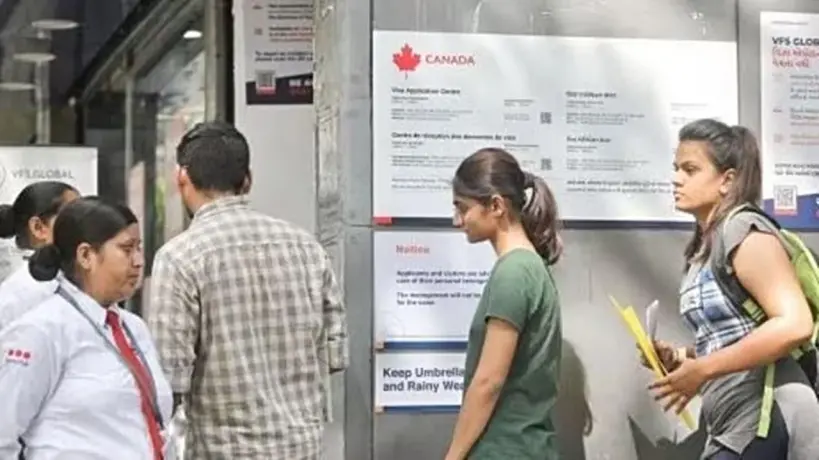
Saskatchewan Polytechnic is facing a challenging period with new layoffs announced, attributed to a sharp decrease in international student enrollments. This situation highlights the institution's dependency on global student demographics and the implications of declining admissions on its financial health and workforce.
More Layoffs Hit Saskatchewan Polytechnic Amid Falling International Enrollment
Saskatchewan Polytechnic, one of the province’s leading technical education institutions, has recently announced another round of layoffs due to a significant drop in international student enrollment. This development comes as a blow to the academic community, which has been grappling with various challenges amid shifting demographic trends and global economic uncertainties.
A Growing Concern: Decrease in International Students
The decline in international student numbers has been a growing concern for Canadian educational institutions over recent years. Several factors have contributed to this trend, including geopolitical tensions, changes in immigration policies, and the lingering impacts of the COVID-19 pandemic. These external influences have reshaped the landscape for colleges and universities nationwide.
For Saskatchewan Polytechnic specifically, international students comprise a significant portion of their overall enrollment figures. Therefore, any reduction in these numbers invariably affects the institution’s financial stability. With fewer tuition fees being paid by overseas students-who typically pay higher rates than domestic ones-the institution finds itself needing to make tough decisions regarding staffing and resource allocation.
Financial Implications Prompt Workforce Adjustments
The direct consequence of reduced international enrollments is evident as administrative staff and faculty face potential job losses. In an official statement released by Saskatchewan Polytechnic’s administration, it was noted that while they are actively exploring alternative revenue sources and cost-saving measures, staffing cuts have become an unavoidable step to maintain operational efficiency.
This wave of layoffs follows previous rounds where departments were reorganized or downsized to curb expenditures. The impact is not just financial but also moral; employees find themselves working under increased pressure as teams shrink yet responsibilities remain unchanged or even expanded.
Community Impact: Students and Faculty Both Affected
The ramifications extend beyond just those directly employed at Saskatchewan Polytechnic. Current students may experience larger class sizes or reduced access to certain courses or services due to dwindling resources. Moreover, there might be less availability of specialized programs that were previously sustained through funding sourced from higher international tuition fees.
Faculty members too express concerns about workload increases without corresponding support or compensation adjustments-issues that could potentially affect teaching quality and research output negatively.
Seeking Solutions: Diversifying Enrollment Strategies
In response to these pressing challenges, administrators are now focusing on diversifying their enrollment strategy. Efforts include enhancing recruitment campaigns within other regions domestically while simultaneously strengthening partnerships abroad to tap into emerging markets like South Asia or Africa-areas showing potential growth despite current global headwinds.
Saskatchewan Polytechnic is also revisiting its curriculum offerings by adapting more flexible learning models such as online courses which can appeal broadly across geographies regardless of travel restrictions faced internationally.
Looking Forward: Navigating Uncertain Times
This pivotal moment underscores both the fragility inherent in reliance upon particular student demographics for institutional sustenance but also showcases opportunities amidst adversity if strategic pivots are managed effectively.
Long-term viability hinges upon adaptive strategies that account for ongoing disruptions within global academic environments whilst maintaining high-quality educational standards expected by all stakeholders involved-from local communities investing hopes through education development up towards policy-makers prioritizing sustainable growth across sectors statewide.
Ultimately bridging gaps created by fluctuating enrollments requires comprehensive stakeholder engagement empowering collaboration aimed towards building resilient frameworks fostering inclusive excellence consistently pursued throughout changing landscapes inherently characterizing contemporary higher education challenges globally today.








Comments
Log in to write a comment