

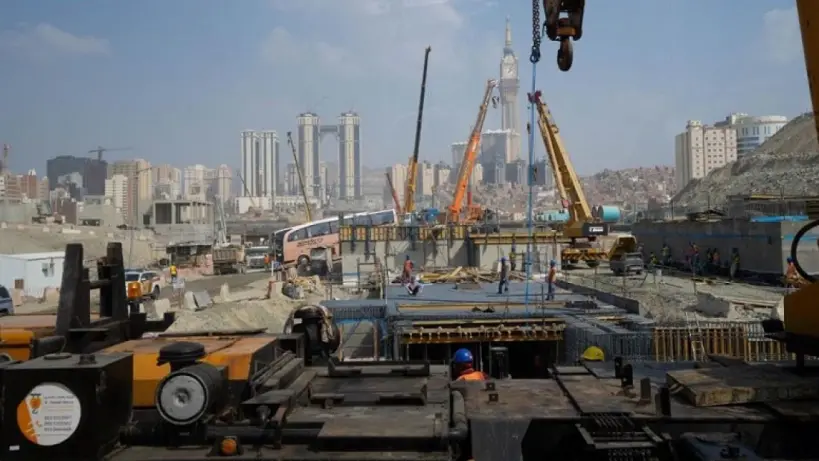
Sheikh Abdullah Saleh Kamel, chairman of the Founding Committee of the Masar Makkah project and chairman of the Board of Directors at Umm Al Qura Company for Development and Reconstruction, has described Masar Makkah as a pioneering example of private sector partnership in the development of Makkah.
During a recent cultural gathering titled “Ahdiyah Al-Abdali,” Sheikh Kamel emphasized the crucial contribution made by private enterprises toward realizing the vision set forth by Custodian of the Two Holy Mosques King Salman and Crown Prince Mohammed bin Salman to provide outstanding services for Hajj and Umrah pilgrims.
Kamel explained that Masar Makkah’s concept was born out of initiatives aimed at developing random neighborhoods in Makkah starting in 2006. Initially called “King Abdullah Road,” the project was later renamed “King Abdulaziz Road” before being rebranded as Masar, an integrated urban destination.
The ambitious development covers an area exceeding 3.7 million square meters and includes nine previously undeveloped neighborhoods. Situated only about four kilometers from the Grand Mosque, Masar is expected to accommodate over 250,000 people upon completion. The destination will offer diverse hospitality, residential, retail, and commercial facilities as part of its multi-purpose design.
Sheikh Kamel underscored that significant developments are taking place not just above ground but also beneath it. The site hosts a comprehensive underground city complete with essential infrastructure and approximately 40,000 parking spaces along its corridor.
The route begins at the Haramain High-Speed Railway station and leads directly to the courtyards surrounding the Grand Mosque in less than five minutes. Along this route, travelers pass through Jabal Omar project buildings-an embodiment of modern transportation solutions envisioned for Makkah.
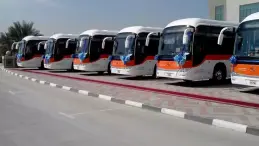
Kamel detailed four primary routes designed to facilitate access to the Grand Mosque: an underground pathway linked to the delayed Makkah Metro project; a bus route; a dedicated pedestrian walkway; and a vehicle lane reserved for private cars.
This range of transit options aims to reduce traffic congestion while easing movement for pilgrims, residents, and visitors throughout Makkah’s busiest districts.
Sheikh Kamel also noted considerable increases in land values within areas encompassed by the project. Land prices vary significantly-from SR400,000 per square meter near the Grand Mosque to around SR3,000 per square meter at more distant points-reflecting location advantages and quality of development.
Describing Masar Makkah as one of the holy city’s most transformative quality-of-life projects-and also as a successful commercial endeavor-he pointed out that Umm Al Qura Company is now publicly listed on Saudi Arabia’s stock market with strong performance indicators.
Kamel expressed his deep personal commitment to Masar: “For me,” he said, “this is not merely an investment or development initiative-it is like my own son.” As both founding committee chairman and board chairperson at Umm Al Qura Company, he has closely witnessed every stage from conception through implementation and transformation.
The holding company behind Masar is currently engaged in discussions with the Royal Commission for Makkah City and Holy Sites concerning acquisition of other undeveloped neighborhoods in order to replicate this development approach-with particular attention paid to improving transportation options across wider sections of Makkah.
This new urban vision seeks to reserve at least 30 percent of each redeveloped neighborhood's area as public parks-an initiative intended to improve living conditions across Makkah by creating greener public spaces alongside better housing options for residents, visitors, and pilgrims alike.
Comments
Log in to write a comment