


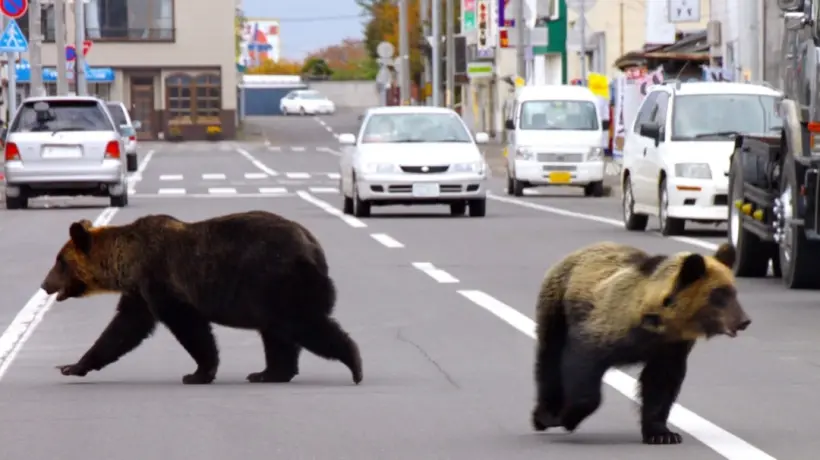
Japan plans to hire hunters as bear attacks reach alarming levels, prompting government action.
In response to a surge in bear attacks, the Japanese government is set to employ hunters for culling operations. This decision arises from increasing public concern over the escalating incidents involving bears encroaching into inhabited areas.
The Environment Ministry announced plans on Thursday to allocate funds for engaging licensed hunters and personnel tasked with addressing these dangerous encounters. This initiative emerged from a high-level meeting convened to devise solutions for Japan's intensifying bear issue.
This year alone, 12 fatalities have been attributed to bear encounters-the highest number recorded since data collection began in the early 2000s. Among the victims were a newspaper delivery person in Hokkaido and a 67-year-old found lifeless in his garden in Iwate Prefecture.
The government considers bears a significant threat to public safety, prompting discussions about possibly allowing police officers to use firearms against them. Officials aim to finalize comprehensive measures against this growing menace by mid-November.
Bears have been reported breaking into supermarkets and schools, posing risks to ordinary activities such as commuting. The nation hosts two types of bears: the Japanese black bear and the larger brown bear, notably aggressive in Hokkaido.
This year has seen over 100 injuries from bear attacks, including an incident involving a tourist near a bus stop at a popular site. Akita Prefecture, characterized by extensive mountain ranges, reports the most casualties.
This week, it was revealed that Japan's self-defense forces would assist Akita authorities in capturing and managing bears. "The lives and livelihoods of people are under threat," expressed Defense Minister Shinjiro Koizumi earlier this week.
Currently restricted by law from shooting bears directly, troops will support hunters through trapping and transporting operations. Akita Governor Kenta Suzuki highlighted the exhaustion felt by those dealing with the crisis firsthand.
Aging hunter demographics compound difficulties as their numbers dwindle alongside decreased interest in pursuing bears for fur or medicinal bile extraction. This shift renders human populations more susceptible as hungry animals venture into residential zones-potentially driven by climate-induced food shortages like scarce beech nuts-and declining human population trends further exacerbate vulnerability.
In September, Japan amended its gun laws to facilitate easier bear management in populated regions.








Comments
Log in to write a comment