


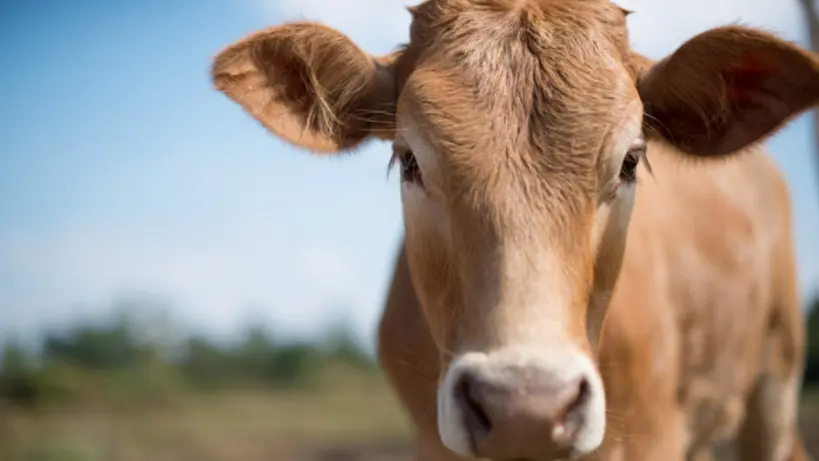
The government of Assam, a state in northeastern India, has imposed a fresh ban on public eating of beef, so expanding current limitations on where beef may be sold and eaten. The new regulation forbids beef consumption in public places including restaurants and festivals. Chief Minister Himanta Biswa Sarma stated on Wednesday this expansion of past laws, already forbade the selling of beef close to sacred locations like temples.
Although public consumption of beef is now forbidden, the law nevertheless permits the purchase of beef from stores and its consumption in private areas like homes and businesses, In India, where the majority Hindu population-roughly 80% of the nation's total population-owns cows in religious respect, the question of beef intake is quite delicate. Hindus consider cows to be holy animals, so their killing and eating are usually forbidden.
Particularly under the direction of Prime Minister Narendra Modi and his Hindu nationalist Bharatiya Janata Party (BJP), which rules Assam, the prohibition on beef consumption fits more general political and cultural tendencies inside India, Often citing concerns for animal welfare and religious sensitivity, BJP-ruled states have instituted progressively rigorous rules on cow slaughter in recent years. In many of India's states, these acts have resulted in restrictions on or outright ban on beef consumption, Actually, out of India's 28 states many of which are run by the BJP about two-thirds have passed partial or whole prohibitions on beef consumption and animal slaughter. Still, several of these areas let buffalo meat be consumed legally.
In many places where cow slaughter prohibitions are implemented, vigilante groups-especially those with strong Hindu nationalist inclinations-have seized control of affairs. Reports of attacks on Muslim cattle traders and meat vendors as well as Dalits-formerly untouchable-for whom beef is a cheap and readily available source of protein have led these groups-who have been accused of using violence to maintain the ban underfire, Such events have caused conflicts among Indian populations, especially between Muslims and Hindus as well as other minorities.
First implemented in Assam in 2021, the limitations on beef intake were mostly targeted on places where Hindus, Jains, and Sikhs live since these communities usually refrain from consuming beef. This earlier regulation also forbade the selling of beef close to temples, where eating beef could be considered as disrespecting of religious beliefs. The most recent restriction covers all public areas, therefore guaranteeing that beef is not openly consumed in eateries, public events, or other public venues.
Furthermore generating political debate is the timing of this new restriction. It follows claims made by the main opposition party, the Indian National Congress, that Chief Minister Sarma had swayed votes in the mostly Muslim Samagiri constituency using beef, in violation of policy. Allegatively providing meat to voters in an effort to gain their support, Sarma allegedly "betrayed" the Hindu nationalist ideals of the BJP. Sarma angrily refuted these charges and discounted them as politically driven, In response, he even said he would be ready to forbid beef entirely in the state should the Congress party so want.
Other political groups who claim their rights to freely choose what they eat have attacked the new public consumption prohibition. Some, like Hafiz Rafiqul Islam of the All India United Democratic Front, have questioned why Assam is imposing such a prohibition when other states including Goa and Arunachal Pradesh have tolerated beef sales and consumption, Both of these states, which the BJP also rules, have not imposed such limitations, therefore underscoring some degree of regional heterogeneity in the application of beef consumption rules inside India.
Assam's prohibition on beef consumption fits a larger political and cultural trend in India reflecting the continuous conflicts between political philosophy, religious convictions, and personal freedoms, Although the Hindu majority in Assam is probably going to find resonance in the law, it also begs issues regarding the balance between religious sensitivity and the rights of minority groups to follow their cultural and nutritional customs.








Comments
Log in to write a comment