


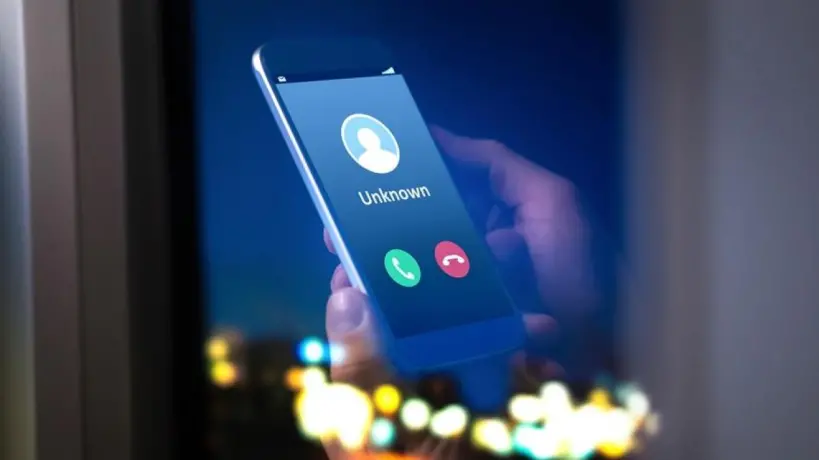
India has unveiled a new communication system meant to fight the growing wave of cybercrime inside the nation. Officially called the "International Incoming Spoofed Calls Prevention System," this program seeks to safely protect residents' digital environment by means of efficient identification and banning of incoming international calls posing themselves as Indian phone lines.
Cybercriminals have now become more involved in fraudulent behavior by posing international faked calls seeming to come from inside India. These calls use the calling line identity (CLI), basically the phone number shown on the recipient's device, to fool victims into believing they are getting calls from reputable sources within the nation.
Among the several evil uses for the bogus calls have been money frauds, impersonation of government officials, and public needless fear generation. Alarming claims of cybercriminals allegedly threatening people with disconnection of their cell connections, false arrests, and even claims connected to illegal substances being transported via courier services have surfaced. Some frauds have gone so far as to pretend to be police agents or assert to be involved in investigations on prostitution rings.
India's Department of Communications (DoT) has teamed with Telecom Service Providers (TSPs) to use this new approach in response to these growing hazards. The joint effort is concentrated on not only spotting these arriving fraudulent calls but also making sure they are stopped before they reach Indian telecom users, Together with a larger plan to protect people from cybercrime and improve general digital security in the nation, this proactive approach is part of
An official statement claims that the system was turned on lately and that the first findings are encouraging, Within 24 hours of its launch, the system displayed Indian phone numbers and was able to spot and prevent about 13.5 million calls trying to reach Indian users. This highlights the degree of the spoofing problem since a shockingly 90 percent of all inbound foreign calls reveal themselves as valid Indian numbers.
The statement underlined that Indian telecom users should observe a significant drop in the amount of phoney calls coming from numbers formatted as +91-xxxxxxx once this technology is fully operational. With less false calls, this decrease is likely to help some of the worry and uncertainty many people experience.
The launch of this system is a major turning point in India's continuous fight against cybercrime and shows the government's will to safeguard its people in a society getting more and more technologically advanced. Authorities want to not only reduce the financial effects on victims but also rebuild confidence in communication networks by using technology to screen out these bogus messages.
As technology develops, so too are the strategies used by cybercriminals. The emergence of faked calls emphasizes the importance of constant awareness and creativity in cybersecurity policies, India wants to keep one step ahead of cyber dangers and guarantee a safer digital environment for its people by funding solutions like the International Incoming Spoofed Calls Prevention System.
The new method shows a proactive approach to solve the urgent problem of cybercrime in India, especially the use of foreign calls passing for local communications. As the country adopts this program, it is hoped that the combined efforts of the government and telecoms sector would result in a notable decrease in these bogus operations, so enabling individuals to interact more freely and safely.







Comments
Log in to write a comment