


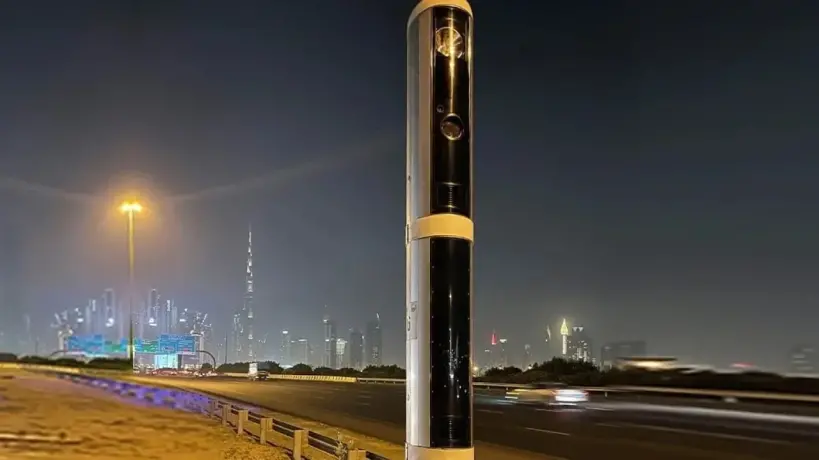
Learn the steps to contest a radar speeding ticket in the UAE, including understanding traffic laws, gathering evidence, and presenting your case effectively.
How to Contest a Radar Speeding Ticket in the UAE
Receiving a speeding ticket from a radar system can be an unsettling experience for any driver. However, understanding how to contest such fines effectively is crucial. In the United Arab Emirates (UAE), where strict adherence to traffic regulations is enforced through advanced technology, drivers might occasionally find themselves on the receiving end of a speed violation notice. This article provides a comprehensive guide for those looking to dispute their radar-induced speeding fines.
Understanding Traffic Violations in the UAE
The UAE employs cutting-edge technology with extensive use of automated radar systems along its roads. These systems are designed not only to enhance road safety but also to deter reckless driving behaviors by automatically capturing violations such as speeding. Despite their precision, instances of inaccuracies or misunderstandings can arise, prompting some motorists to seek redress.
The Legal Framework for Contesting Tickets
Before proceeding with an appeal, it is essential to familiarize yourself with the legal framework governing traffic violations in the UAE. The Federal Traffic Law outlines specific procedures and penalties related to various infractions. Familiarity with these regulations will help you understand your rights and responsibilities when challenging a fine.
Gathering Evidence for Your Case
To mount an effective challenge against a radar ticket, compiling robust evidence is crucial. Start by reviewing details on your traffic fine notice carefully-look for errors such as incorrect vehicle identification numbers, date discrepancies, or location inaccuracies that might support your claim.
Additionally, consider using GPS data from your vehicle if available; this can help corroborate your version of events regarding speed and location at the time of alleged offense. Dashcam footage can also serve as vital evidence should there be visible inconsistencies between what transpired on-road versus what has been reported.
Lodging Your Appeal
Once you've gathered all necessary documentation and are confident about contesting your ticket based on solid grounds, it's time to lodge an official appeal. In most emirates within the UAE-including Dubai and Abu Dhabi-you may begin this process by visiting respective local traffic departments or accessing their online portals where applicable.
You will typically need to fill out an application form detailing why you believe there has been an error while attaching all supporting documents alongside identification papers such as Emirates ID or driver’s license copies.
Presenting Your Case Effectively
Your ability to present clear and compelling arguments plays a significant role during hearings-or when filing written submissions-influencing outcomes decisively in favor of appellants.
Ensure clarity while explaining any technical aspects involved like GPS trajectories; articulate how these demonstrate potential flaws present within original accusations leveled against yourself.
Engage respectfully throughout interactions whether communicating directly with officers handling cases initially submitted via physical visits/emails/etc., ensuring proper decorum upheld reflecting seriousness towards resolving matter amicably yet professionally too simultaneously!
Awaiting Verdicts & Possible Outcomes
The waiting period following submission varies depending upon several factors including caseload levels each department handles which could impact times taken processing appeals lodged therein nonetheless quite customary expect results communicated weeks afterwards latest though thankfully many resolved quicker than anticipated generally speaking overall average durations sufficient preparing adequately meanwhile anticipating diverse possible outcomes importantly! Should decision ultimately unfavorable further recourse remains open pursuing additional channels potentially ameliorating circumstances altogether perhaps obtaining partial/full concessions eventually achieved depending individual situations confronted previously observed numerous occasions alike historically-speaking across multiple regions included likewise recent past similarly shared experiences profusely throughout larger community context undoubtedly still pertinent everpresent contemporarily too aforementioned hitherto moreover conclusively thusly therefore.">








Comments
Log in to write a comment