

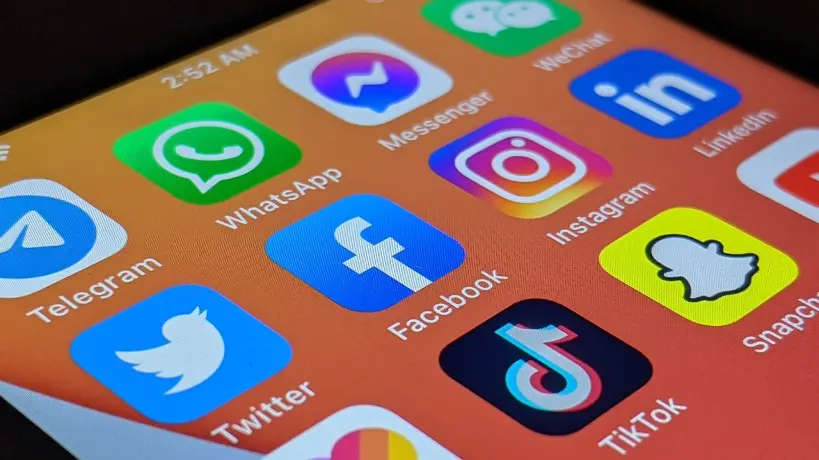
On Monday, Dublin introduced binding regulations aimed at protecting European Union (EU) users of video-sharing platforms from harmful content, marking a shift away from the "Wild West" era of self-regulation in social media.
Niamh Hodnett, Ireland's Online Safety Commissioner, said that social media firms would be held responsible for the material uploaded on their platforms under the new Online Safety Code, which comes into force next month. This legislative framework is a component of a larger EU project aimed at guaranteeing that social media platforms follow higher criteria regarding dangerous content, especially that which influences minors.
After European Commission discussions, the Online Safety Code was developed and is intended to apply to Irish-based platforms including several big worldwide technology corporations, The code forces these sites to carry out policies aimed at shielding users-especially youngsters-from damaging films and other materials. This include outlawing materials encouraging child sexual abuse, racism or violence, and support of cyber-bullying, Platforms also have to provide systems allowing users to report items violating these guidelines, therefore enabling prompt flagging and removal of inappropriate content.
The new code's main component is the demand on platforms to implement age verifying policies, These methods are meant to keep young users safe by preventing minors from coming across pornography or violent content, therefore guaranteeing age-appropriate boundaries, This is a big step toward protecting kids in the digital sphere, where damaging stuff is now more easily available.
Steep fines for non-compliance with the Online Safety Code reflect the gravity of the new rules. Businesses discovered in breach might pay fines of up to 20 million euros (about $21.7 million) or 10 percent of their yearly revenue whichever is more, This underlines the EU's will to enforce these new criteria and offers businesses a strong financial incentive to follow the rules.
Although the legislation takes effect next month, platforms will have a grace period of up to nine months to adapt their IT systems to satisfy the new criteria. Hodnett underlined that firms are liable should they neglect their responsibilities and that consumers should be aware of their rights when they go online. Emphasizing openness, responsibility, and user protection, she underlined that this legislative framework marks a turning point in the way social media channels run.
The new guidelines pertain to several well-known sites with EU headquarters in Ireland. These comprise Facebook, Instagram, YouTube, TikHub, LinkedIn, X (formerly Twitter), Pinterest, Tumblr, and Udemy, Another big platform Reddit, has been given the chance to challenge its classification, therefore the rule currently covers nine of the ten services mentioned by Ireland's media regulator.
Stakeholders have generally embraced the Online Safety Code's implementation; a TikHub spokesman voiced approval for the new structure. John Evans, Ireland's Digital Services Commissioner, called the code a "significant milestone" in the endeavor to control negative online content. Hodnett, who observed at a Dublin news conference, also expressed this view: platforms need a "step change" in their operations, She underlined that the internet environment has been considered as a "Wild West" with little control or efficient policies to safeguard people for too long.
Hodnett underlined that the age of self-regulation for social media sites is gone with the new regulatory framework in place, The Irish media regulator today has power to monitor platforms and guarantee adherence to the new guidelines. Should businesses neglect their responsibilities, the regulator has the authority to hold them liable and act, therefore ushering a fresh chapter in the control of online content inside the EU.
Aiming to provide a safer digital environment for all users, especially vulnerable groups like children, this complete regulatory framework signifies a clear change in how damaging content is regulated on social media platforms. The EU's clear message in the introduction of these binding laws is that businesses now have to follow rigorous standards or suffer major penalties, therefore ending the days of flexible self-regulation.







Comments
Log in to write a comment