


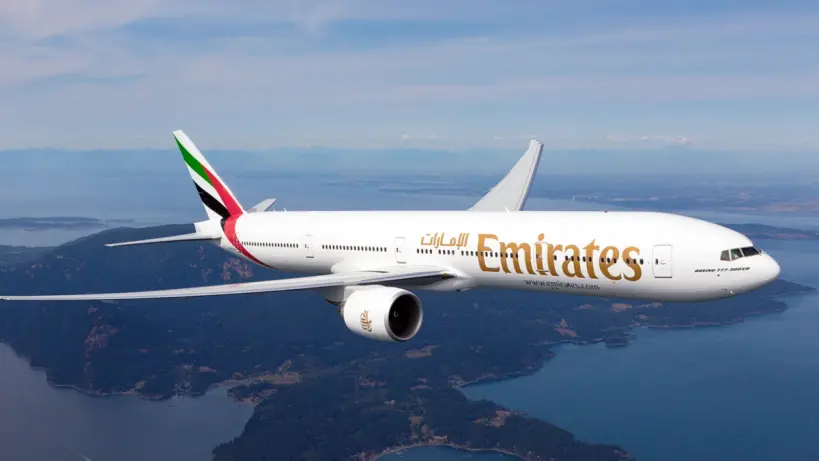
Emirates Airlines declared Tuesday, October 8, the cancellation of all of its flights to and from Iran.
Furthermore, the airline has said that travelers heading from Dubai with Tehran towards their final stop will not be able to board at their original departure destinations until October 15. Originally intended to last until October 7, this decision has extended the prior stoppage of flights.
After Iran fired a missile attack on Israel the previous Tuesday, the flight cancellations reflect mounting worries about possible Israeli reprisals. The rising regional conflict has caused security concerns that have impacted travel paths internationally, especially between the UAE and Iran.
Israeli officials have cautioned of probable reprisal in reaction to the missile attack, thereby alarming the safety of the air travel and infrastructure in the area. This climate of uncertainty has affected Emirates' choice to stop flying to Iran for a long run.
Iran has also responded powerfully with rhetoric, warning even more severe reprisals should its infrastructure be attacked. This comment raises questions, which helps explain the preventative actions airlines-including Emirates-take.
The disturbance in flights underscores the larger consequences of geopolitical issues on the aviation sector since passenger and crew member safety issues have first priority. Airlines like Emirates are acting to reduce risk even if it means halting important flights like those to Tehran, a significant hub in the area, given the ongoing unstable conditions in the region.
Right now, the airline's decision to stop flying to Iran is considered as a temporary but required one. Unless any more political unrest causes more delays, Emirates has advised its passengers that they should expect service to resume by October 15.
Affected passengers of these cancellations have been asked to make alternate travel plans if needed and ask the airline for updates. During this period of uncertainty, Emirates has committed itself to helping customers with rebooks or refunds. Still, many tourists might have trouble since the security situation keeps changing and tensions in the area remain high.
Conflict-related issues have not only affected the area's airspace once but also lately. Security concerns in the Middle East have past caused airlines to cancel or reroute flights, especially in relation to increased military operations or diplomatic conflicts. The current state of affairs between Iran and Israel has contributed to those worries and complicated aircraft operations.
Like other foreign airlines flying in the area, Emirates is keenly observing the matter. Safety is still the key issue for airlines negotiating the erratic political terrain, which sometimes calls for quick changes in their operations.
Apart from aircraft, other sectors depending on global connectivity could also experience the consequences of these geopolitical issues. Particularly if the situation gets worse, tourism, trade, and business contacts are probably going to suffer while flights to and from Iran stay suspended.
Given the continuous uncertainty, visitors are advised to be informed on the state of their flights and be ready for any delays or cancellations for now. Tensions are high, hence the speed with which the political situation stabilizes the area will determine whether or not the resumption to normal aviation operations is possible.
Emirates' choice to postpone flights to and from Iran as well as the limitations placed on passengers heading to Tehran as their last stop directly responds to the growing security issues in the area. While the wider effects of these geopolitical concerns are still developing, the airline is acting in required measures to guarantee the safety of its staff and travelers. Emirates has promised to keep travelers informed on any more adjustments and will start regular operations as soon as it is safe to do so.






Comments
Log in to write a comment